
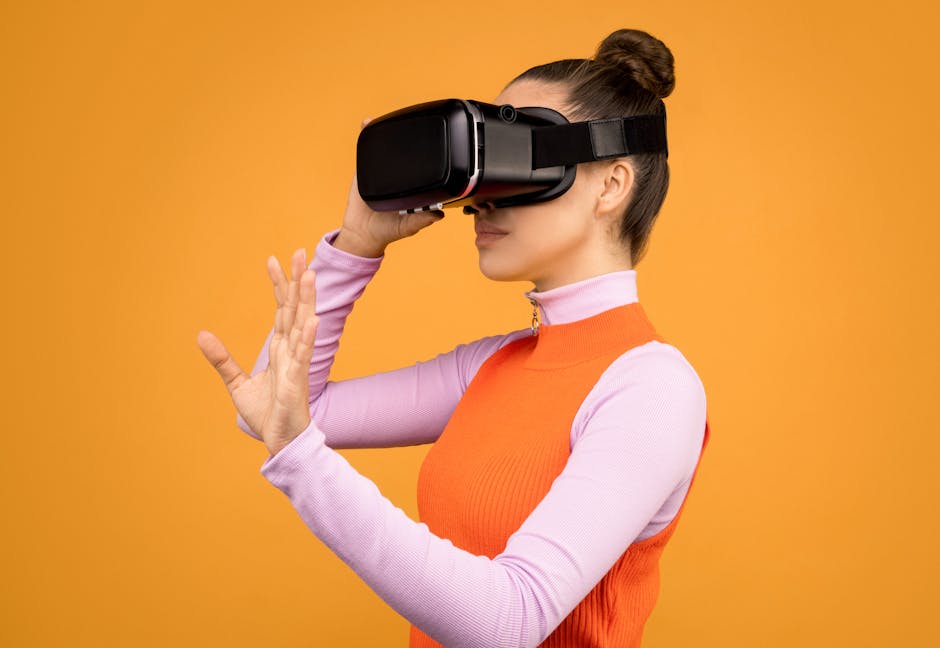
Virtual Reality vs Augmented Reality Showdown: Which Is Better?
Understanding Virtual Reality and Augmented Reality
In recent years, Virtual Reality (VR) and Augmented Reality (AR) have revolutionized the way we interact with digital content. Both technologies immerse users in different experiences, but they serve distinct purposes and applications.
What is Virtual Reality?
Virtual Reality creates a completely artificial environment that replaces the real world. Using specialized headsets and controllers, users can explore virtual landscapes, play immersive games, or undergo training simulations. VR offers a highly engaging experience, often used in gaming, education, and professional training.
What is Augmented Reality?
In contrast, Augmented Reality overlays digital information onto the real world. Smartphone apps like those for navigation, or AR glasses that display data directly in your line of sight, exemplify AR's use. It enhances reality without replacing it, making it popular in retail, maintenance, and social media applications.
Key Differences Between VR and AR
- Immersion: VR offers full immersion, while AR enhances real-world experiences.
- Hardware: VR requires headsets and controllers, whereas AR can run on smartphones and glasses.
- Applications: VR is ideal for simulations and entertainment, AR is suited for real-time assistance and information display.
Pros and Cons
Both technologies have their advantages and limitations. For instance, VR provides immersive worlds but can be expensive and isolating. Conversely, AR offers seamless integration with the real environment, promoting social interaction and mobility.
Future Outlook
The future of VR and AR is promising, with advancements in hardware, software, and artificial intelligence driving their growth. As these technologies mature, their applications will expand into areas like remote work, healthcare, and education.
Conclusion
Choosing between VR and AR depends on your goals and needs. Whether you're looking to escape into virtual worlds or enhance your real-life experiences, understanding their differences can help you make informed decisions about adopting these innovative technologies.