
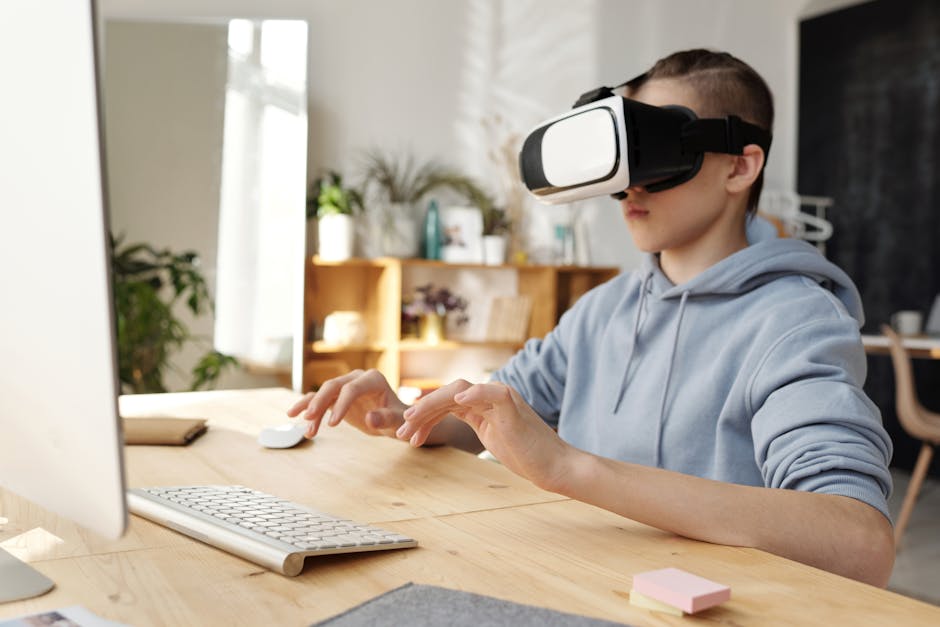
Enhancing Learning with Virtual Reality for Education and Training
Introduction to Virtual Reality for Education and Training
Virtual reality (VR) has transformed traditional educational methods by providing immersive and interactive experiences that enhance learning outcomes. Whether it's for school classrooms, corporate training, or skill development, virtual reality for education and training offers unique opportunities to engage learners.
Advantages of Using Virtual Reality in Education
- Enhanced Engagement: VR creates engaging scenarios that motivate students and trainees.
- Safe Simulation Environment: Trainees can practice dangerous or complex tasks in a risk-free virtual space.
- Improved Retention: Immersive experiences help learners remember information better.
- Accessibility: Virtual classrooms can be accessed from anywhere, breaking geographical barriers.
Popular Applications of Virtual Reality in Education
Some notable applications include virtual science labs, historical site visits, medical simulations, and technical training here. For example, students can explore the ancient civilizations virtually or practice surgery in a risk-free environment.
Future of Virtual Reality in Learning
The future holds promising advancements such as AI-powered virtual tutors, more affordable VR hardware, and integration with other innovative technologies here. As these tools become more accessible, the potential for immersive learning will only continue to grow.
Conclusion
Incorporating virtual reality training into educational settings offers a compelling way to make learning more effective and engaging. As technology evolves, educators and trainers should explore how they can leverage VR to prepare learners for future challenges.