
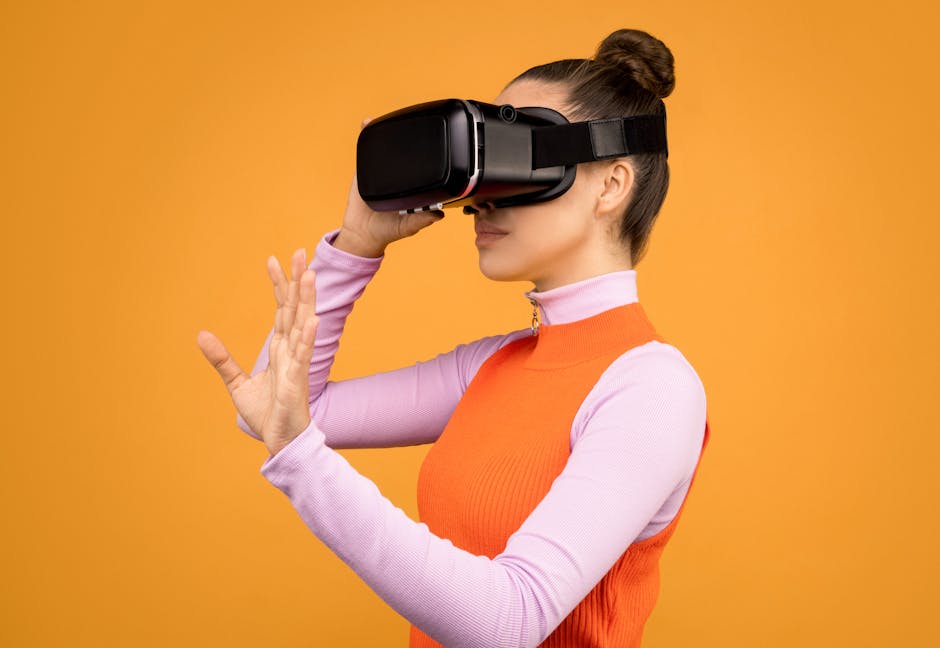
Exploring Virtual Reality for Therapeutic Purposes
Introduction to Virtual Reality in Therapy
Virtual reality (VR technology) has increasingly become a valuable tool in the field of mental health and rehabilitation. Its immersive environment allows patients to engage with therapeutic scenarios in a controlled setting, enhancing the effectiveness of treatment.
Benefits of Using Virtual Reality for Therapy
One of the major advantages of virtual reality for therapeutic purposes is its ability to tailor experiences to individual needs. For example, exposure therapy using VR can help patients confront fears or anxieties in a safe and controlled manner.
Additionally, VR can improve engagement and motivation during treatment sessions, leading to better outcomes. It is also a versatile tool that can be applied to various mental health issues such as phobias, PTSD, and depression.
Applications of Virtual Reality in Therapy
Virtual reality has been successfully used in mental health treatments, rehabilitation, and pain management. For instance, patients recovering from physical injuries can perform rehabilitation exercises within engaging VR environments, promoting adherence and recovery.
Future Prospects
The future of virtual reality in therapy looks promising, with ongoing advancements in hardware and software that will make these tools more accessible and effective. Combining VR with biofeedback and artificial intelligence could further personalize treatment plans.