
Integrating Health Promoting Elements into Building Design for Improved Occupant Wellness
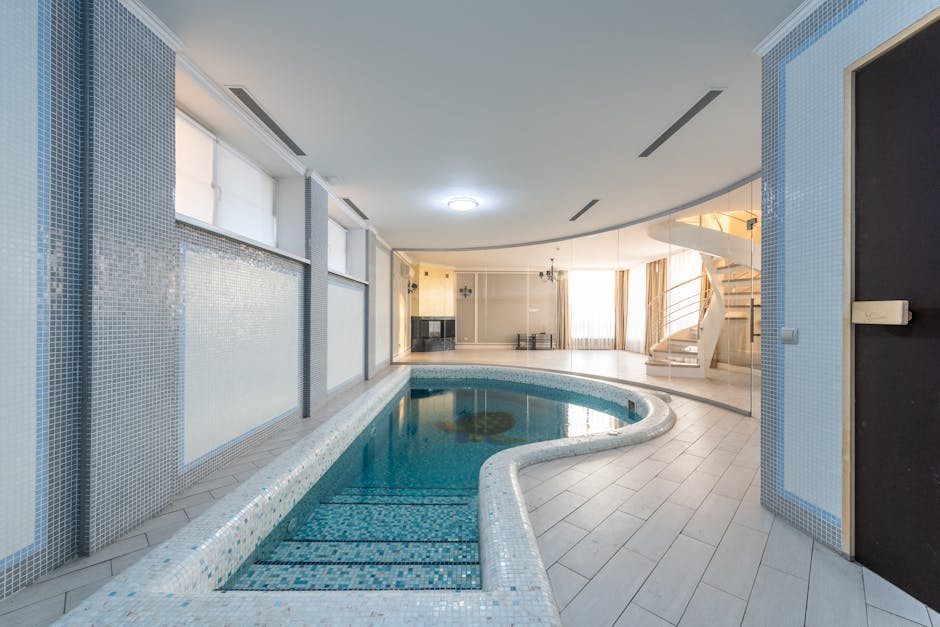
Wellness architecture is a concept that aims to enhance occupant wellness by integrating health promoting elements into building design. It recognizes the significant impact that the built environment can have on people's physical, mental, and emotional well-being.
When designing a building with wellness in mind, several factors are considered. These include incorporating natural light to promote circadian rhythm, creating spaces for physical activity, incorporating biophilic design principles, ensuring good indoor air quality, and incorporating sustainable materials.
Natural light has a profound effect on our well-being. Exposure to natural light during the day helps regulate our circadian rhythm, which in turn affects sleep patterns, mood, and overall health. By designing buildings with large windows, skylights, and light wells, architects can maximize the amount of natural light that enters a space.
Physical activity is another key aspect of wellness architecture. Designing buildings with staircases instead of elevators encourages occupants to be more physically active. Additionally, creating spaces for exercise such as gyms or fitness rooms promotes regular physical activity.
Biophilic design principles seek to connect people with nature. Integrating natural elements such as plants, water features, and natural materials into building design has been shown to improve mood, reduce stress, and increase productivity. By bringing nature indoors, wellness architecture aims to create a soothing and calming environment.
Indoor air quality is crucial for occupant wellness. By incorporating proper ventilation systems and using low-VOC (volatile organic compounds) materials, wellness architecture ensures that occupants have access to clean and fresh air. Poor indoor air quality can lead to respiratory issues, allergies, and other health problems.
Sustainability is a core principle of wellness architecture. Using sustainable materials such as recycled or renewable resources reduces the building's environmental impact. Additionally, green building practices such as energy-efficient lighting, water-saving fixtures, and renewable energy sources contribute to a healthier and more sustainable built environment.
By integrating these health promoting elements into building design, wellness architecture creates spaces that support occupant wellness. Whether it's a workplace, healthcare facility, or residential building, implementing wellness architecture principles can have a positive impact on people's lives.
Sustainable-building-materials:-Creating-healthier-indoor-environments-while-preserving-the-planet
Indoor-air-quality:-The-hidden-health-risks-and-how-to-optimize-air-quality-in-buildings
Mindful-spaces:-Designing-environments-that-promote-mental-well-being-and-reduce-stress
Light-therapy:-Harnessing-the-power-of-light-to-improve-mood-and-overall-wellness