
Zero Waste Cooking Tips You Need to Know
Introduction to Zero Waste Cooking
Embracing zero waste cooking is an effective way to minimize food waste and reduce your environmental impact. By adopting simple strategies in your kitchen, you can save money and contribute to a healthier planet.
Plan Your Meals and Shop Smartly
Effective meal planning helps prevent excess purchases and leftovers that might go to waste. Make a shopping list based on your weekly menu to buy only what you need and avoid impulse buys.
Utilize Food Scraps and Leftovers
Instead of tossing food scraps, consider using them in stocks, smoothies, or composting. Leftovers can be creatively repurposed into new meals, reducing waste and saving you time and money.
Store Food Properly
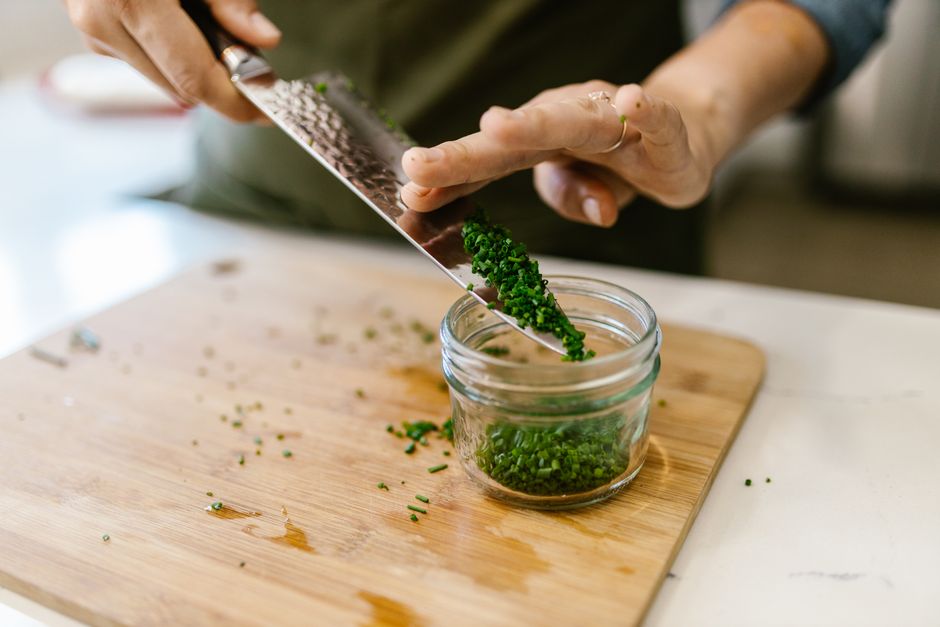
Proper food storage techniques extend the shelf life of perishable items. Use airtight containers, mason jars, and reusable bags to keep food fresh and prevent spoilage.
Embrace Bulk and Reusable Packaging
Buying in bulk and using reusable bags and containers help reduce packaging waste. This practice not only minimizes trash but also often saves money over time.
Practice Composting
Composting food waste like vegetable peelings and coffee grounds turns waste into valuable soil for your garden, closing the loop on waste reduction.
Conclusion
Adopting these zero waste cooking tips can make a significant difference in your environmental footprint. Start small, stay consistent, and enjoy the benefits of sustainable cooking practices.