
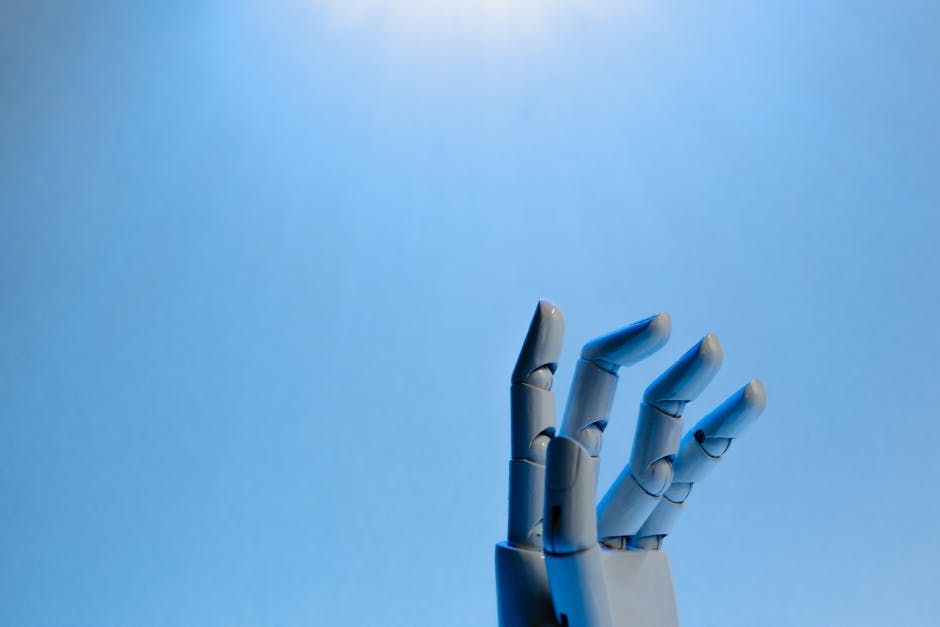
Advanced Sensors and Acting Technologies: Exploring Types of Sensors
In today's rapidly evolving technological landscape, advanced sensors play a crucial role in enabling machines to perceive their environment accurately. These sensors are fundamental components in automation, robotics, and IoT applications, providing real-time data that drives decision-making processes.
Types of Sensors
Understanding the various types of sensors is essential for designing effective systems. Some common categories include:
- Temperature Sensors: Devices that measure heat and are used in climate control and industrial processes.
- Proximity Sensors: Sensors that detect the presence or absence of objects nearby, crucial for automation and safety.
- Light Sensors: Devices that measure illumination levels, used in cameras and solar tracking systems.
- Pressure Sensors: Sensors that detect force or pressure changes, important in aerospace and automotive industries.
- Motion Sensors: Devices that sense movement, often used in security systems and interactive devices.
Each type of sensor provides specific data points, enabling systems to respond appropriately through acting technologies such as motors, actuators, and control systems.
Acting Technologies and Their Role
Complementing sensors, acting technologies consist of components like actuators and motors that execute actions based on sensor inputs. This synergy allows for autonomous operation in various applications, from industrial manufacturing to autonomous vehicles.
For comprehensive understanding, explore more about advanced sensors and acting technologies, and how their integration is shaping the future of intelligent systems.