
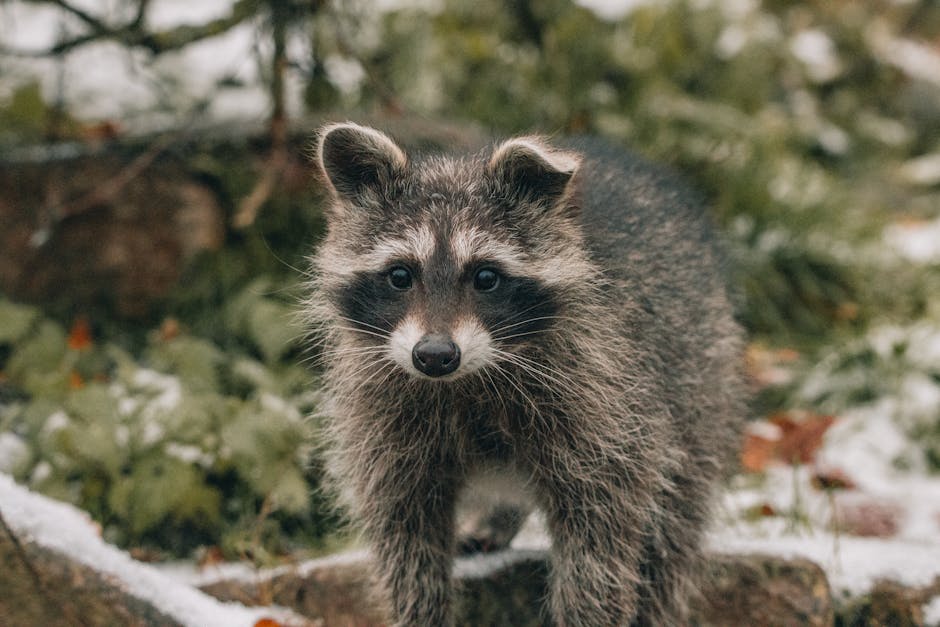
Take Your Wildlife Photography to the Next Level with Advanced Techniques
Wildlife photography is a challenging yet rewarding genre of photography that allows you to capture the beauty and behavior of animals in their natural habitat. If you have already mastered the basics of wildlife photography and are looking to take your skills to the next level, here are some advanced techniques and tips that can help you elevate your wildlife photographs to new heights.
1. Use Prime Lenses
One of the key elements of wildlife photography is getting close to the subject without disturbing them. Prime lenses with a long focal length, such as a 300mm or 400mm lens, are ideal for capturing detailed and sharp images of wildlife from a distance. These lenses allow you to maintain a safe distance while still filling the frame with your subject.
2. Study Animal Behavior
Understanding the behavior of the animals you want to photograph is essential for capturing unique and compelling images. Take the time to research and learn about the habits, movements, and patterns of the wildlife you want to photograph. This knowledge will help you anticipate their actions and increase your chances of capturing rare and captivating shots.
3. Shoot in RAW
Shooting in RAW format gives you more flexibility when it comes to post-processing your images. RAW files contain all the information captured by the camera's sensor, allowing you to make more precise adjustments to exposure, colors, and sharpness during the editing process. This is especially helpful when dealing with challenging lighting conditions or when you want to bring out specific details in your wildlife photographs.
4. Master the Art of Patience
Wildlife photography requires a great deal of patience. You may have to wait for hours or even days to capture that perfect shot. Understanding the behavior and routines of your subject can help you anticipate their actions and be ready when the right moment arrives. Remember, the more patient you are, the higher your chances of capturing extraordinary wildlife moments.
5. Experiment with Composition
While photographing wildlife, it's important to experiment with different compositions to create visually interesting and unique images. Instead of always centering your subject, try the rule of thirds or symmetrical compositions. Altering your perspective or using leading lines can also add depth and dynamism to your wildlife photographs.
By implementing these advanced techniques and putting in the time and effort to learn and understand your subjects, you can elevate your wildlife photography to new levels. Remember, practice makes perfect, so keep exploring and capturing the beauty of wildlife!