
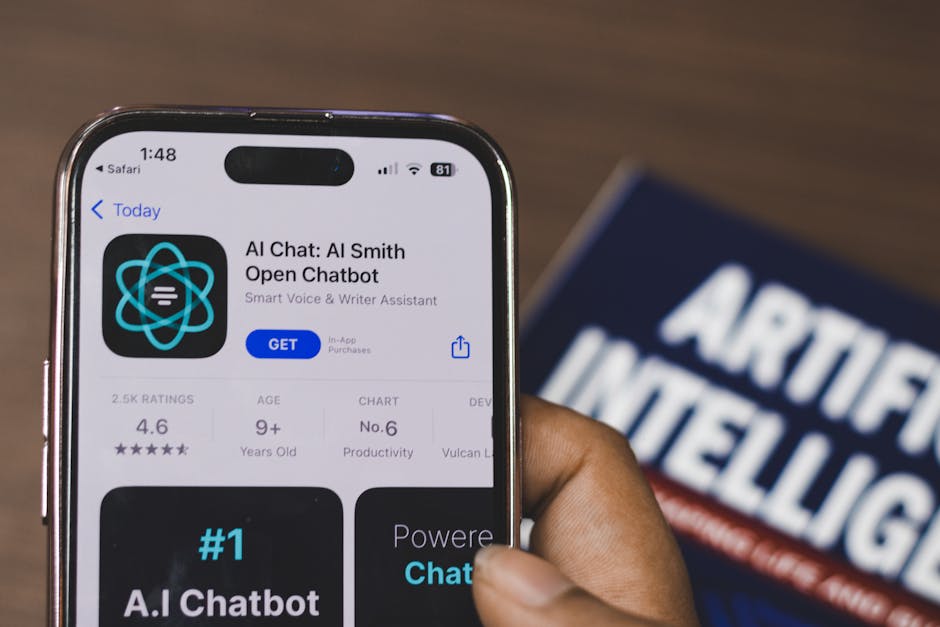
Discovering the Power of AI Virtual Assistants and Their Technology
Artificial Intelligence (AI) virtual assistants have become an integral part of modern technology, enhancing the way we interact with devices and services. These intelligent agents can perform a variety of tasks, from managing schedules to answering customer inquiries, streamlining both personal and professional activities.
Understanding the benefits of AI virtual assistants shows how they improve productivity and create seamless user experiences. With advancements in AI virtual assistants technology, these tools are becoming increasingly sophisticated, capable of understanding natural language and learning from interactions.
How AI Virtual Assistants Are Built
The core of AI virtual assistants relies on natural language processing (NLP) and machine learning algorithms. These technologies enable assistants to interpret user queries accurately and provide relevant responses. From voice recognition to contextual awareness, the latest innovations are pushing the boundaries of what these assistants can do.
Businesses are leveraging this technology to enhance customer service, automate routine tasks, and gather insightful data. As the trend in AI virtual assistants continues to grow, the integration of AI into daily life is expected to become even more seamless.
The Future of AI Virtual Assistants
Looking ahead, AI virtual assistants are poised to become increasingly personalized and intelligent. Enhancements in AI technology will enable assistants to anticipate user needs and provide proactive support. This evolution will significantly impact industries such as healthcare, education, and e-commerce.
For those interested in implementing AI virtual assistants, understanding how to integrate these tools into your organization is essential to stay ahead in a competitive digital landscape.