
Exploring Alien Encounter Possibilities Through Astrobiology Research
Introduction
The question of whether extraterrestrial life exists has fascinated humanity for centuries. Recent advancements in astrobiology research are shedding light on the possibilities of alien encounters. By studying extreme environments on Earth and exploring other planets, scientists are uncovering clues that might suggest life beyond our planet.
The Field of Astrobiology
Astrobiology is an interdisciplinary science that combines biology, astronomy, geology, and chemistry to understand the origins, evolution, and distribution of life in the universe. This field aims to answer whether life exists elsewhere and what forms it might take.
Potential Habitats for Alien Life
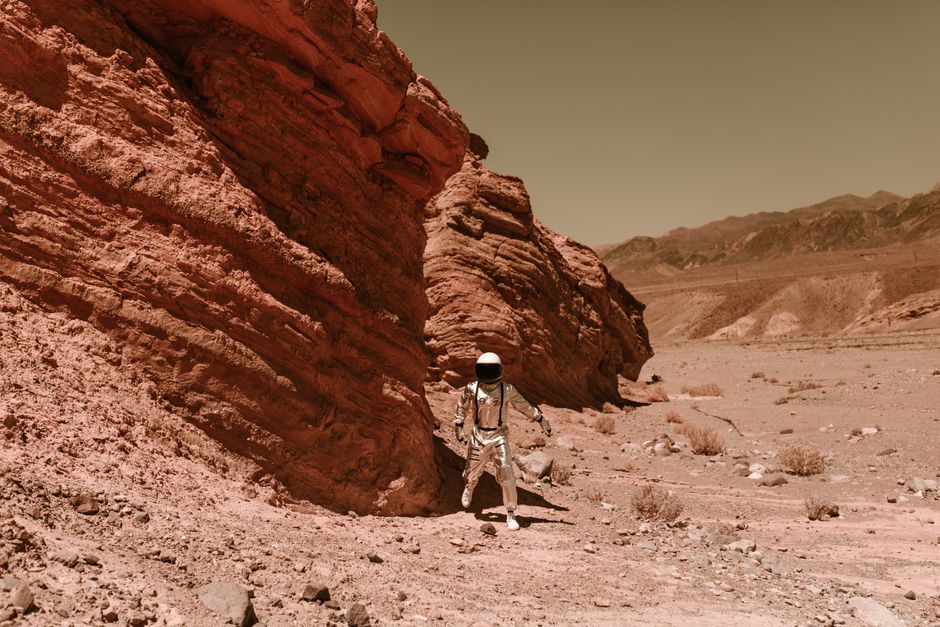
Research indicates that several planetary bodies, such as Europa and Mars, hold potential habitats for alien life. Studying the subsurface oceans and ancient water flows on these worlds helps scientists evaluate the likelihood of extraterrestrial organisms.
Technological Advances and Future Missions
Innovations in telescopes and space probes enable detailed analysis of exoplanets' atmospheres and surface conditions. Missions like upcoming space missions are crucial for searching for biosignatures that might reveal the presence of alien life.
Implications of Discovering Alien Life
The discovery of extraterrestrial life would revolutionize our understanding of biology and our place in the universe. It also raises important questions about alien encounter possibilities and the precautions needed for potential interactions.
Conclusion
While definitive evidence of alien life remains elusive, ongoing astrobiology research continues to push the boundaries of our knowledge. The pursuit of understanding alien encounter possibilities keeps inspiring scientists and dreamers alike to explore the cosmos.