
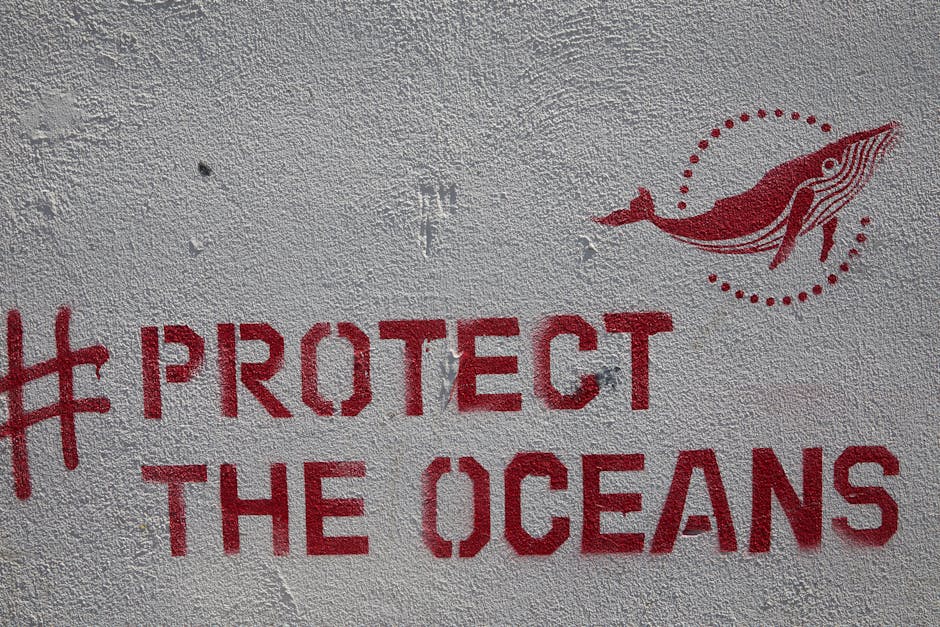
Art Murals Uncovered: Conservation Methods for Preserving Masterpieces
Uncovering the Secrets of Art Murals
Art murals have long been a captivating form of visual storytelling, depicting historical events, cultural beliefs, and artistic expression. The process of uncovering these murals often involves meticulous excavation and preservation efforts, especially when they are hidden beneath layers of plaster or paint. Conservation methods are essential to ensure that these artworks remain intact and continue to inspire future audiences.
The Importance of Proper Conservation
Effective conservation techniques help to prevent further deterioration caused by environmental factors, biological growth, or previous restoration attempts. Conservators employ a variety of methods, including consolidation, cleaning, and sometimes even climatological regulation, to safeguard mural integrity.
Common Conservation Methods
- Surface Cleaning: Removing dirt, grime, and biological matter with gentle techniques.
- Stabilization: Reinforcing fragile areas to prevent flaking or crumbling.
- Inpainting: Carefully retouching areas of loss to restore visual continuity.
- Environmental Control: Managing humidity, temperature, and light to slow deterioration.
Discovering Hidden Murals
The process of discovering hidden murals often begins with non-invasive techniques such as infrared imaging or ground-penetrating radar. These technologies assist archaeologists and conservators in identifying and documenting murals without damaging the surface material. Once uncovered, a detailed conservation plan is formulated to preserve the artwork's authenticity.
Preservation for Future Generations
Combining modern technology with traditional conservation practices ensures that these art murals can be appreciated by future generations. Regular maintenance, visitor management, and public education play vital roles in this ongoing effort.