
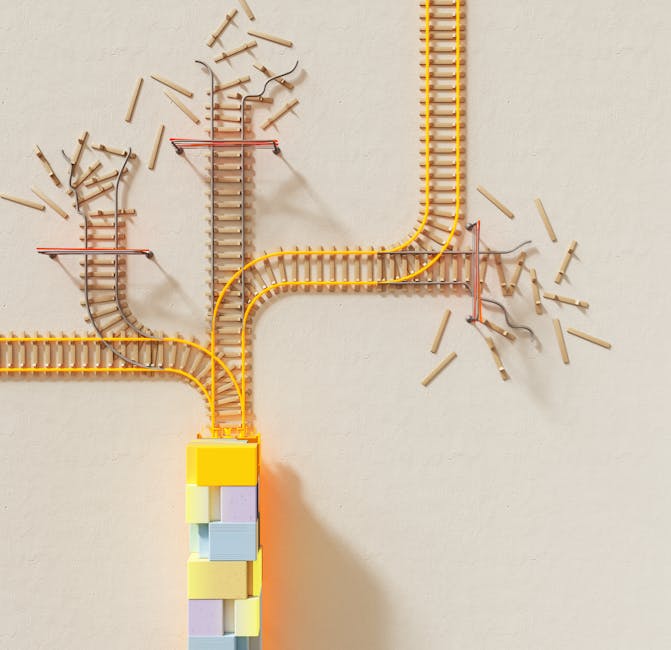
Understanding Artificial Intelligence Bias and Its Impact
Understanding Artificial Intelligence Bias and Its Impact
Artificial intelligence (AI) has revolutionized numerous industries, offering innovative solutions and improving efficiency. However, one significant challenge that practitioners face is AI bias. This phenomenon can lead to unfair outcomes, discrimination, and mistrust in AI systems.
What Causes AI Bias?
Bias in AI often originates from the data used to train models. If the training data containshistorical prejudices or imbalances, the AI system may inadvertently learn and perpetuate these biases. For example, biased datasets can affect AI in hiring decisions or facial recognition technologies.
Impacts of Bias in AI Applications
The consequences of AI bias are far-reaching. In the criminal justice system, biased algorithms may result in unfair sentencing. In healthcare, biases can affect diagnostic accuracy for different demographic groups. Recognizing these impacts is key to developing more equitable AI solutions.
Strategies to Mitigate AI Bias
To combat bias, developers can employ techniques such as data diversification, fairness-aware algorithms, and regular audits. Building fair AI systems requires a proactive approach to ensure AI technology benefits everyone equally.
By understanding the root causes of AI bias and implementing effective measures, stakeholders can help ensure artificial intelligence advances ethically and responsibly.