
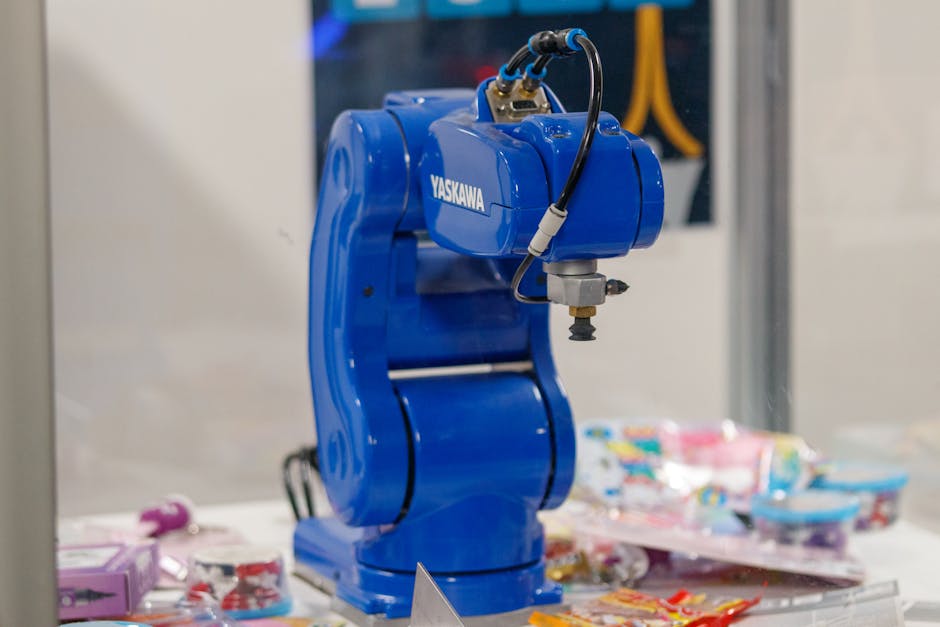
Exploring Automation Trends and the Future of Automation
Understanding the Current Automation Trends
Automation has become an integral part of modern industries, streamlining processes and improving efficiency. Recent automation trends include the adoption of artificial intelligence (AI), machine learning, and robotics. These advancements are enabling businesses to operate more intelligently and with greater precision.
The Role of AI in Shaping Future Automation
Artificial intelligence stands at the forefront of future automation. AI-powered systems can learn from data, adapt to new scenarios, and make decisions with minimal human intervention. This shift is particularly evident in industries like manufacturing, healthcare, and logistics.
Emerging Technologies Driving Future Automation
Beyond AI, technologies such as the Internet of Things (IoT), cloud computing, and edge computing are fueling the next wave of automation innovations. These tools enable interconnected systems to communicate and operate seamlessly, paving the way for smarter and more responsive automation solutions.
Impacts on Industries and Workforce
The ongoing evolution of automation is transforming industries by increasing productivity and reducing costs. However, it also raises questions about the future of work. Embracing these automation impacts on the workforce is crucial for adapting to these changes responsibly.
What to Expect in the Coming Years
Looking ahead, automation is expected to become more personalized, adaptable, and embedded into daily life. Advances in robotics and automation will allow machines to perform complex tasks that previously required human skills. Staying informed about these trends will help organizations remain competitive.