
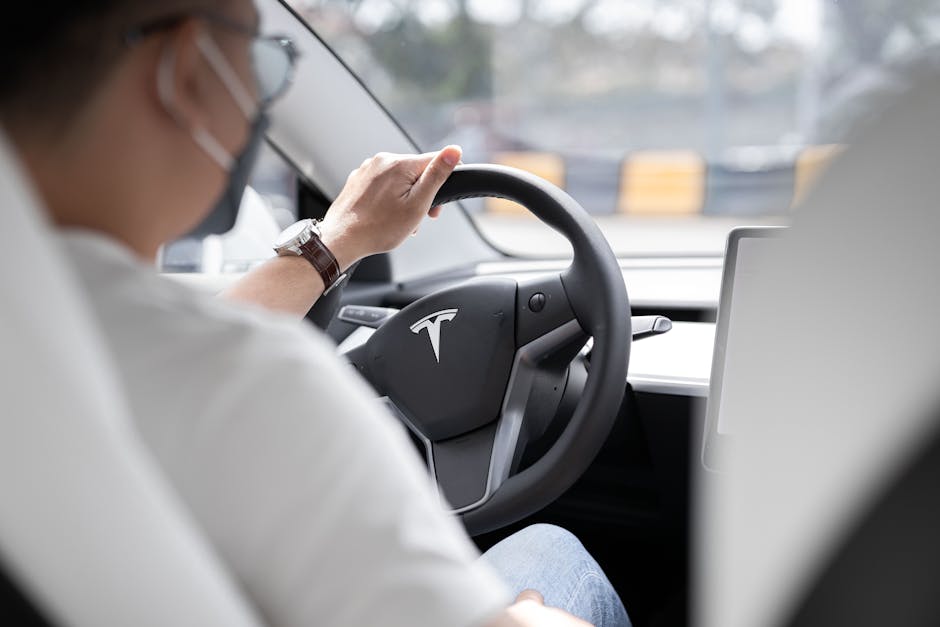
The Future of Autonomous Driving
Autonomous driving is rapidly transforming the landscape of transportation. With advancements in AI and sensor technology, self-driving cars are becoming more reliable and efficient, promising a safer and more convenient future on the roads.
Many experts believe that the future of autonomous vehicles will significantly reduce accidents caused by human error. Additionally, the integration of autonomous driving systems can help alleviate traffic congestion by optimizing traffic flow.
Innovation in technology such as machine learning, sensor fusion, and high-definition mapping are essential drivers in the development of autonomous driving. As these systems become more sophisticated, their ability to navigate complex environments and make real-time decisions improves.
Public acceptance and regulatory frameworks are other crucial components shaping the future landscape. Ensuring safety and ethical considerations are addressed will pave the way for broader adoption of autonomous vehicles in everyday life.
In the coming years, we can expect autonomous driving to revolutionize not only personal transportation but also logistics, ride-sharing, and urban planning. The long-term vision envisions a world where autonomous vehicles are seamlessly integrated into our daily routines, making travel safer, more efficient, and more accessible for everyone.