
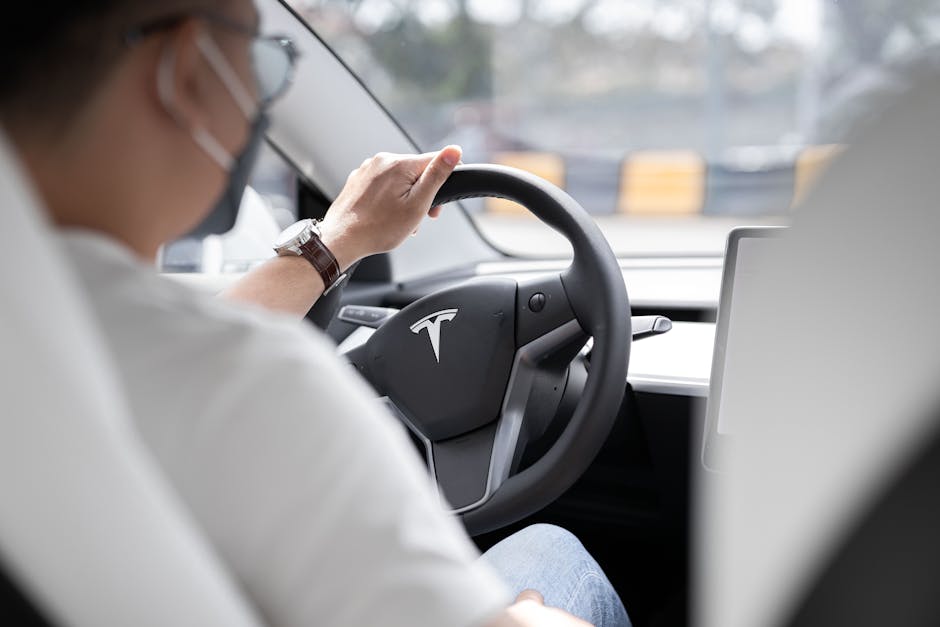
Understanding Autonomous Driving Technology: The Future of Transportation
Introduction to Autonomous Driving Technology
Autonomous driving technology, also known as self-driving technology, leverages advanced sensors, artificial intelligence, and machine learning to enable vehicles to operate without human intervention. This innovation promises to transform urban mobility, improve road safety, and reduce traffic congestion.
Key Components of Autonomous Vehicles
Autonomous vehicles are equipped with a range of sophisticated components, including lidar, radar, cameras, and high-precision GPS. These devices work together to perceive the environment, identify obstacles, and make real-time driving decisions. For more information on the technology behind these components, visit our comprehensive guide to autonomous driving components.
Benefits of Autonomous Driving
The adoption of autonomous driving technology offers numerous benefits, such as enhanced safety by reducing human errors, increased mobility for those unable to drive, and more efficient traffic flow. Companies like Tesla and Waymo are leading the way in developing these advanced systems. Discover how autonomous driving improves urban transportation by reading our detailed benefits overview.
Challenges and Future Outlook
Despite rapid advancements, autonomous driving faces challenges including regulatory hurdles, cybersecurity concerns, and technological limitations. However, ongoing research and collaboration among industry leaders aim to overcome these barriers. Learn about the future of self-driving technology in our predictive analysis.
Conclusion
Autonomous driving technology is poised to redefine transportation as we know it. As innovations continue, self-driving vehicles will become safer, more efficient, and more accessible, paving the way for smarter cities and a more sustainable future.