
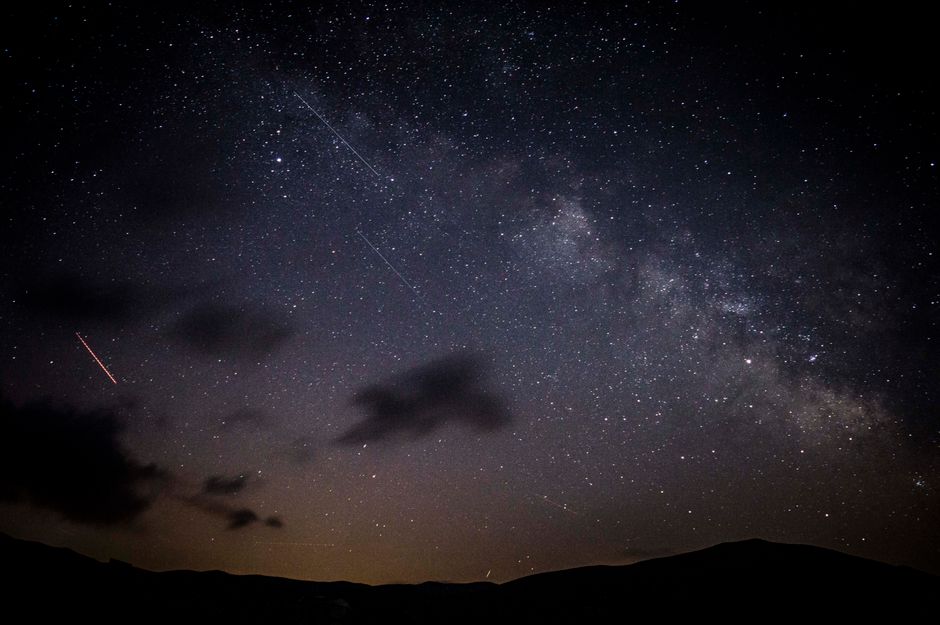
Best Practices for Meteor Shower Watching
Introduction to Meteor Shower Watching
Meteor showers are spectacular celestial events that occur when Earth passes through debris left by comets. Observing these dazzling displays can be an unforgettable experience, but knowing the best practices can significantly improve your viewing. Whether you're a beginner or an avid astronomer, following these guidelines will help you make the most of the next meteor shower.
Choose the Right Timing
The timing of your meteor shower viewing session is crucial. Peak activity generally occurs during the early morning hours before dawn. Check the predicted peak dates for upcoming events, such as the Perseids or Geminids, and plan your outing accordingly.
Select a Good Location
Find a location away from city lights and light pollution for the best visibility. Rural or high-altitude areas often provide clearer skies and better viewing conditions. Use tools like light pollution maps to identify prime spots.
Prepare Your Equipment and Clothing
While you can enjoy meteor showers with the naked eye, bringing a reclining chair or blanket can make your viewing more comfortable. Dress warmly and bring snacks, drinks, or even a thermos of hot beverage.
Optimal Observation Tips
- Allow your eyes time to adjust to the darkness, at least 20-30 minutes.
- Avoid looking at bright screens or sources of light before viewing.
- Keep a clear and unobstructed view of the sky.
- Be patient, as meteor activity can vary in intensity.
Additional Resources
For more details on upcoming meteor shower dates and viewing tips, visit Space.com or national astronomical societies.
Conclusion
Watching a meteor shower is a rewarding experience that combines patience and preparation. By following these best practices, you can enjoy the stunning spectacle of shooting stars and share unforgettable moments under the night sky.
