
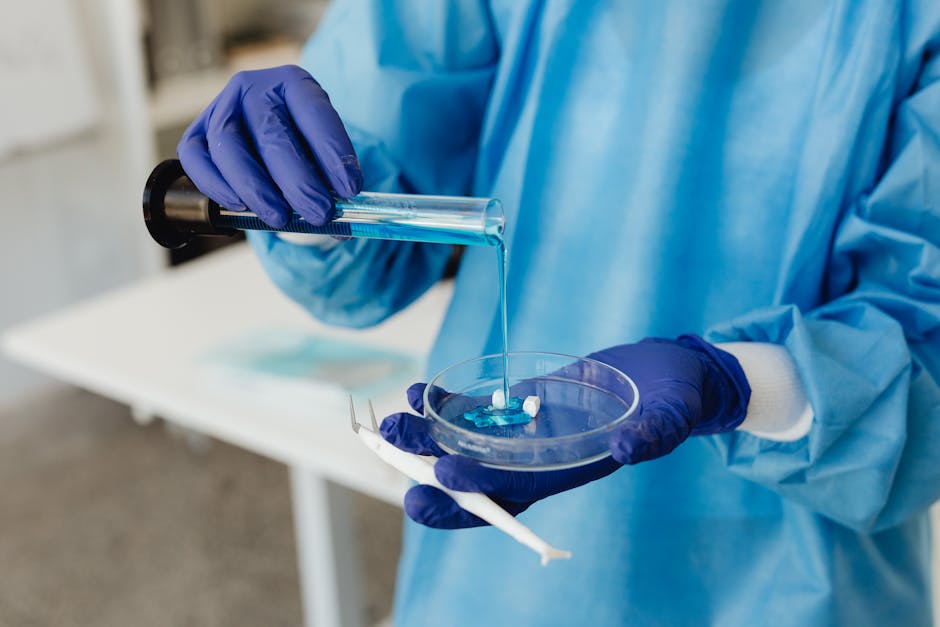
Bioengineering and Future Technologies: Shaping Tomorrow's World
Introduction to Bioengineering
Bioengineering, also known as biomedical engineering, combines principles of biology and engineering to develop innovative solutions for health and environmental challenges. As a multidisciplinary field, it enables the design of advanced medical devices, tissue engineering, and sustainable environmental technologies.
Emerging Trends in Future Technologies
As we look to the future, emerging trends in future technologies include the integration of artificial intelligence, nanotechnology, and biomaterials. These advancements promise to transform sectors like healthcare, agriculture, and environmental conservation.
Bioengineering's Role in Healthcare Innovation
Through healthcare innovation via bioengineering, researchers are developing regenerative medicine, personalized treatments, and smart medical devices. These solutions aim to improve patient outcomes and reduce healthcare costs.
Sustainable Technologies and Environmental Impact
Bioengineering also contributes significantly to sustainable technologies, such as biofuels, biodegradable materials, and pollution control methods. These innovations are crucial for addressing global environmental challenges.
The Future of Bioengineering
The future of bioengineering is poised to bring groundbreaking innovations that will impact all aspects of life, from health to environmental stewardship. Continued research and interdisciplinary collaboration are vital to harnessing its full potential.