
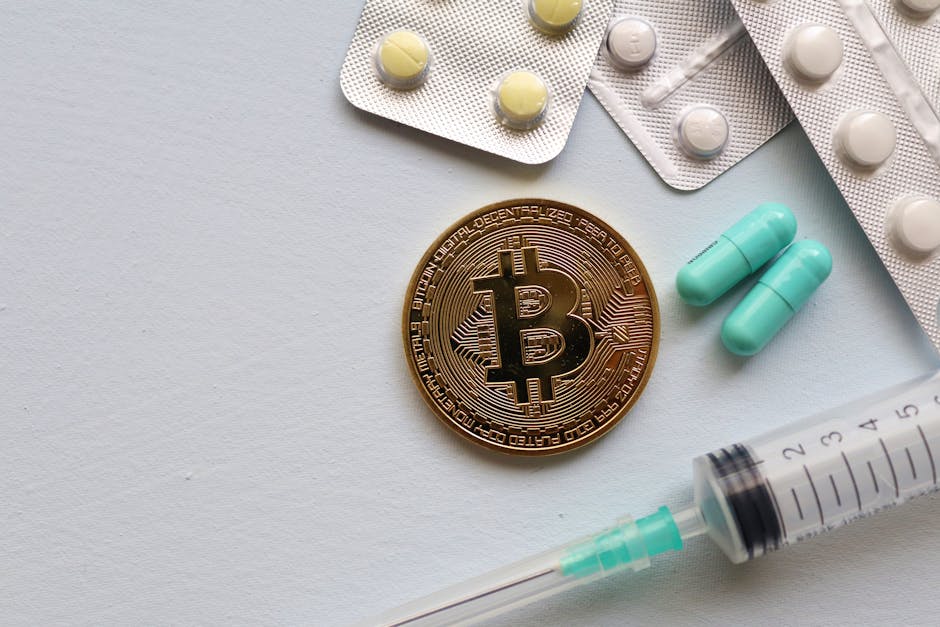
Blockchain in Healthcare Revolution: Transforming the Future of Medical Data
The healthcare industry is undergoing a significant transformation, driven by innovative technologies aimed at improving patient care and data management. Among these, blockchain technology stands out as a game-changer, promising to revolutionize how medical data is stored, shared, and secured.
What is Blockchain and Why is it Important for Healthcare?
At its core, blockchain is a decentralized digital ledger that securely records transactions across multiple computers. In healthcare, this means enhanced data security, reduced fraud, and improved interoperability between different systems. For example, blockchain applications can enable seamless sharing of patient records while maintaining strict privacy controls.
Key Benefits of Blockchain Adoption in Healthcare
- Data security: Ensures that sensitive patient information is protected against unauthorized access.
- Interoperability: Facilitates smooth data exchange across healthcare providers and institutions.
- Patient empowerment: Gives patients more control over their health data.
- Fraud reduction: Minimizes medical and billing errors through transparent record-keeping.
Real-World Examples and Future Outlook
Several healthcare organizations are already leveraging blockchain to improve outcomes. From secure sharing of vaccination records to managing drug supply chains, the potential is vast. As technology advances, it is expected that blockchain will become an integral part of healthcare ecosystems, leading to more personalized, transparent, and efficient care.
To explore more about this topic, check out our article on the future of blockchain in healthcare.