
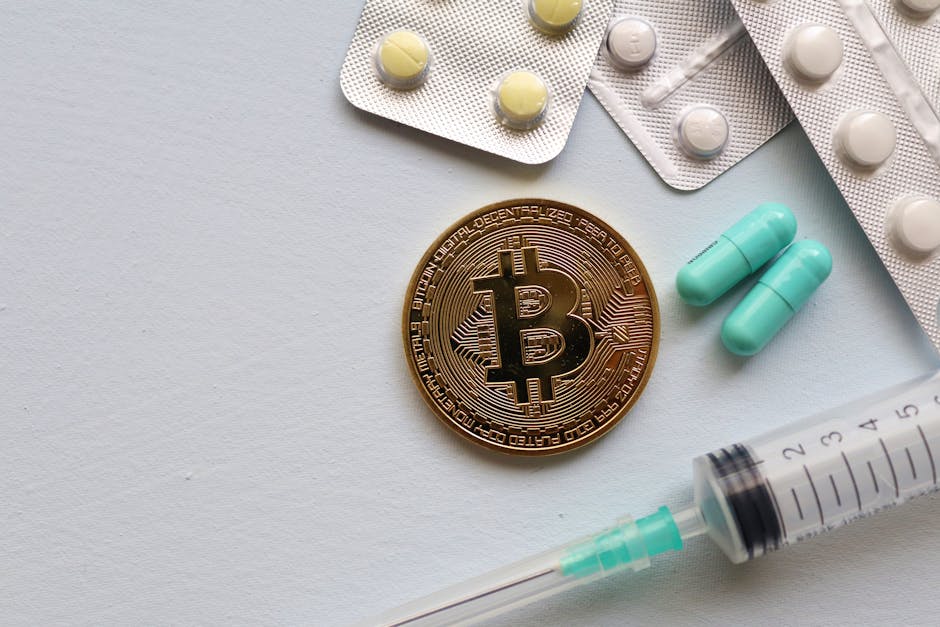
Blockchain Technology in Healthcare: Transforming Modern Medical Practices
Introduction to Blockchain Technology in Healthcare
Blockchain technology is rapidly gaining traction across various industries, and healthcare is no exception. Its ability to provide a secure, transparent, and decentralized ledger makes it an ideal solution for managing sensitive medical data and improving healthcare delivery.
Enhancing Data Security and Privacy
One of the primary advantages of blockchain in healthcare is its capability to enhance data security. Patient records stored on a blockchain are immutable and encrypted, reducing the risk of data breaches and unauthorized access.
Streamlining Medical Records Management
Traditional paper-based and digital record systems often lead to issues such as duplication, data loss, and unauthorized modifications. With blockchain, electronic health records (EHRs) can be accessed securely and efficiently, ensuring accurate and up-to-date information sharing among authorized medical professionals.
Facilitating Supply Chain Transparency
Blockchain's transparent ledger also plays a significant role in pharmaceutical supply chains, helping to authenticate drugs, prevent counterfeit products, and ensure the integrity of medicines from manufacturer to patient.
The Future of Blockchain in Healthcare
As technology advances, the integration of blockchain in healthcare is expected to expand, addressing challenges such as interoperability, data sharing, and compliance with regulations. Innovations like smart contracts and decentralized apps are poised to further transform healthcare services.
In summary, blockchain technology in healthcare holds immense potential to improve patient safety, data management, and operational efficiency, ultimately leading to better health outcomes worldwide.