
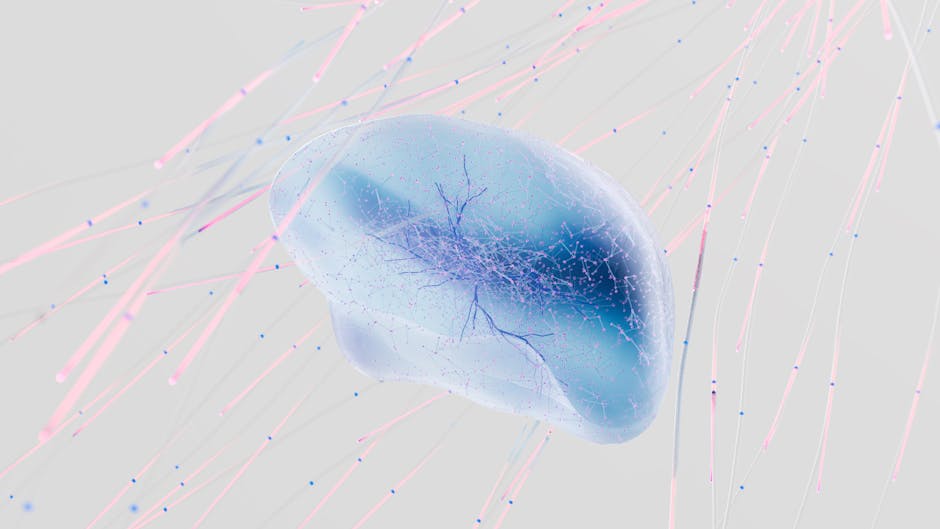
Understanding the Brain Reward System and Its Function
The brain reward system plays a crucial role in motivating behavior and reinforcing activities that are essential for survival. It is a complex network of structures located primarily in the brain regions involved in processing pleasurable stimuli.
At the core of the reward system is the neurotransmitter dopamine, which is released when we experience something rewarding, such as eating, social interaction, or achieving a goal. This dopamine release reinforces our behavior, encouraging us to repeat actions that lead to positive outcomes.
Key Components of the Brain Reward System
- Nucleus Accumbens: Often called the 'pleasure center,' this region processes rewarding stimuli and is activated during enjoyable experiences.
- Ventral Tegmental Area (VTA): Produces dopamine and sends signals to other parts of the brain, including the nucleus accumbens.
- Prefrontal Cortex: Involved in decision-making and evaluating rewards, helping regulate impulses.
The proper functioning of the reward system is vital for motivation and learning. However, dysregulation can contribute to issues such as addiction and mental health disorders.
Conclusion
Understanding the functions of the brain reward system can provide insights into human behavior, motivation, and the development of treatments for addiction. By exploring how our brain processes rewarding stimuli, we can better comprehend what drives us and how to promote healthier habits.