
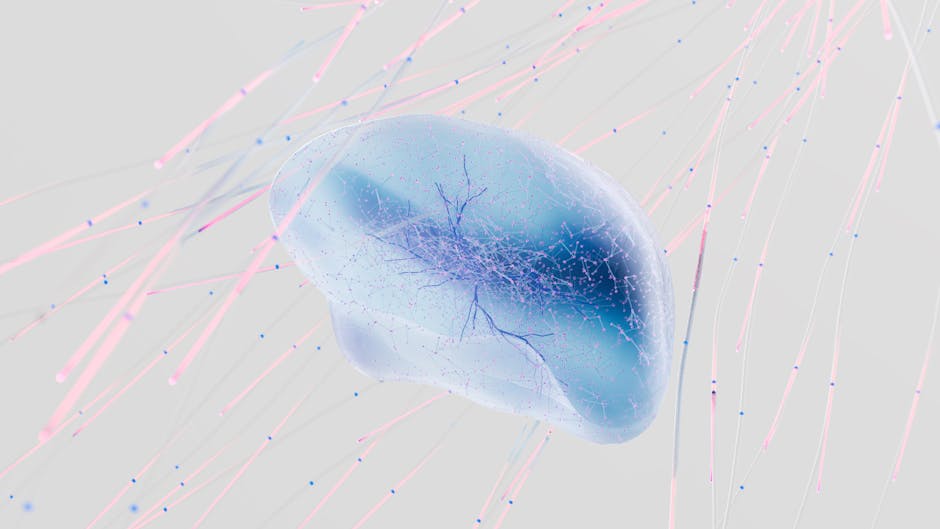
Understanding the Brain Reward System: An Overview
The brain reward system is a complex network of neural pathways that plays a crucial role in how we perceive pleasure, motivation, and reinforcement. This system helps us learn from positive experiences and encourages behaviors that are essential for survival.
At the core of the neurobiology of reward, neurotransmitters such as dopamine are released in response to rewarding stimuli. These chemical signals activate specific regions of the brain, including the nucleus accumbens and the ventral tegmental area, fostering feelings of pleasure and satisfaction.
Understanding the roles of the reward system can shed light on various aspects of human behavior, from motivation and addiction to learning and decision-making. When functioning properly, this system motivates us to seek out rewarding activities, whether it's eating, social interaction, or achieving goals.
However, disruptions in the reward system can lead to issues such as depression or addiction. Therefore, ongoing research aims to better understand its mechanisms and develop targeted treatments for related disorders.