
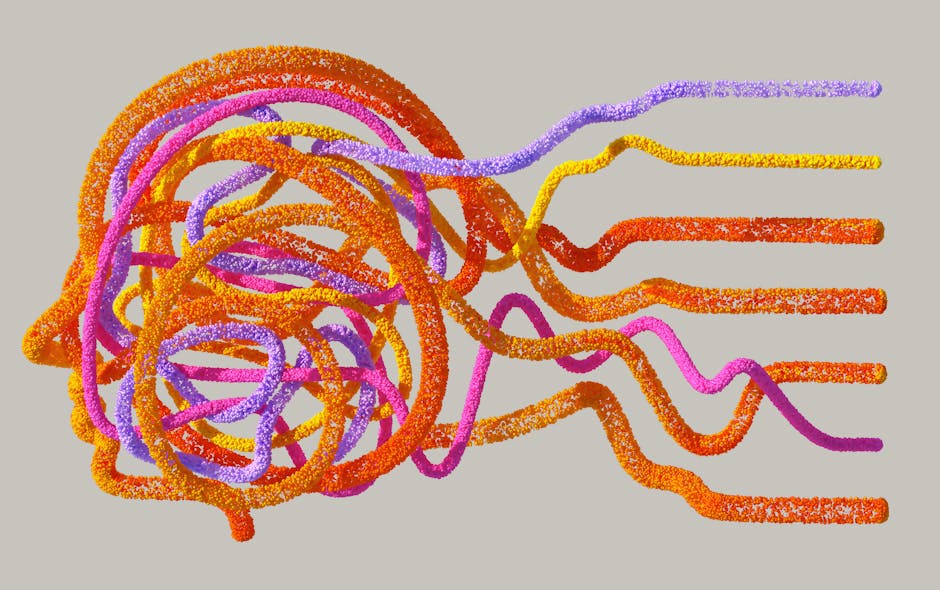
Understanding Brain Stimulation Technologies: Innovations for Mental Health and Cognitive Enhancement
Introduction to Brain Stimulation Technologies
In recent years, brain stimulation technologies have gained significant attention in the fields of neuroscience, psychiatry, and cognitive science. These innovative approaches aim to modulate neural activity to improve mental health, treat neurological disorders, and enhance cognitive functions.
Types of Brain Stimulation Technologies
Transcranial Magnetic Stimulation (TMS)
Transcranial Magnetic Stimulation (TMS) is a non-invasive method that uses magnetic fields to stimulate nerve cells in specific areas of the brain. It is often used to treat depression and anxiety conditions.
Transcranial Direct Current Stimulation (tDCS)
Another popular technique, Transcranial Direct Current Stimulation (tDCS), employs low electrical currents to modulate neuronal activity, with applications ranging from depression treatment to cognitive enhancement in healthy individuals.
Deep Brain Stimulation (DBS)
For more invasive procedures, Deep Brain Stimulation (DBS) involves implanting electrodes into targeted brain regions. It is primarily used for Parkinson's disease and treatment-resistant depression.
Applications of Brain Stimulation Technologies
Brain stimulation technologies are extensively used in clinical settings to manage various neurological and psychiatric conditions. Additionally, researchers are exploring their potential for augmenting memory, learning, and other cognitive abilities.
Learn more about applications in mental health or explore cognitive enhancement opportunities.
The Future of Brain Stimulation Technologies
Advancements continue to evolve, aiming for more precise, personalized, and less invasive solutions. Integration with AI and neurotechnology could pave the way for breakthroughs in understanding and manipulating brain function.