
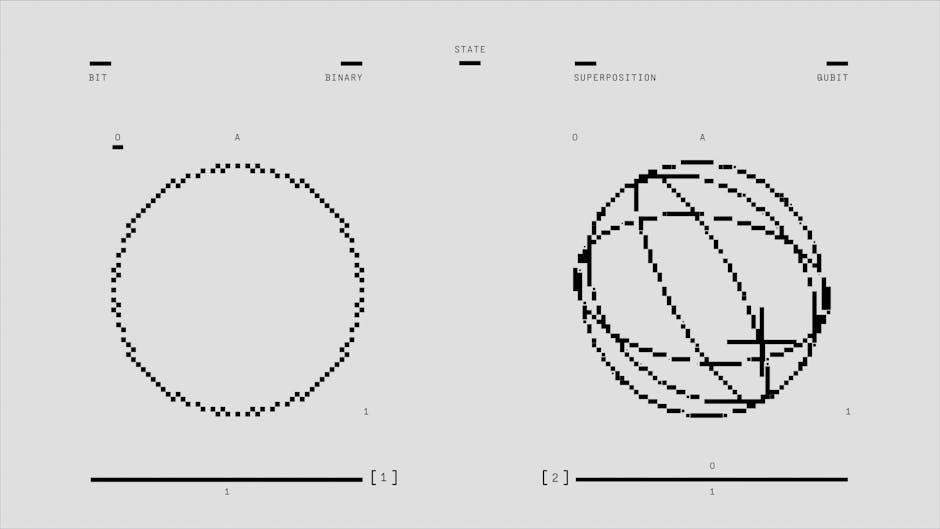
Breakthroughs in Quantum Computing and Its Mysteries in Astronomy
Quantum computing has emerged as a transformative technology that holds the potential to revolutionize our understanding of the universe. Its ability to process vast amounts of data at unprecedented speeds enables astronomers and physicists to tackle some of the most complex problems in space science.
In recent years, researchers have made significant breakthroughs in quantum computing that are particularly impactful in the field of astronomy. These advancements allow for better simulation of celestial phenomena, analysis of cosmic data, and modeling of quantum aspects of the universe itself.
One of the most intriguing aspects of this progress is its application to solving mysteries in astronomy. For example, understanding dark matter and dark energy, deciphering the nature of black holes, and exploring the origins of the universe are all areas where quantum computing offers new hope. These tools can analyze signals from distant galaxies and cosmic events with precision previously thought impossible.
Furthermore, quantum algorithms are being developed to improve the detection and analysis of gravitational waves, opening a new window into cosmic phenomena. As quantum technologies continue to evolve, they promise to unlock many secrets of the cosmos and contribute significantly to our knowledge of the universe.
Stay tuned to our blog for the latest updates on how quantum computing intersects with astrophysics and continues to solve some of the universe's greatest mysteries.