
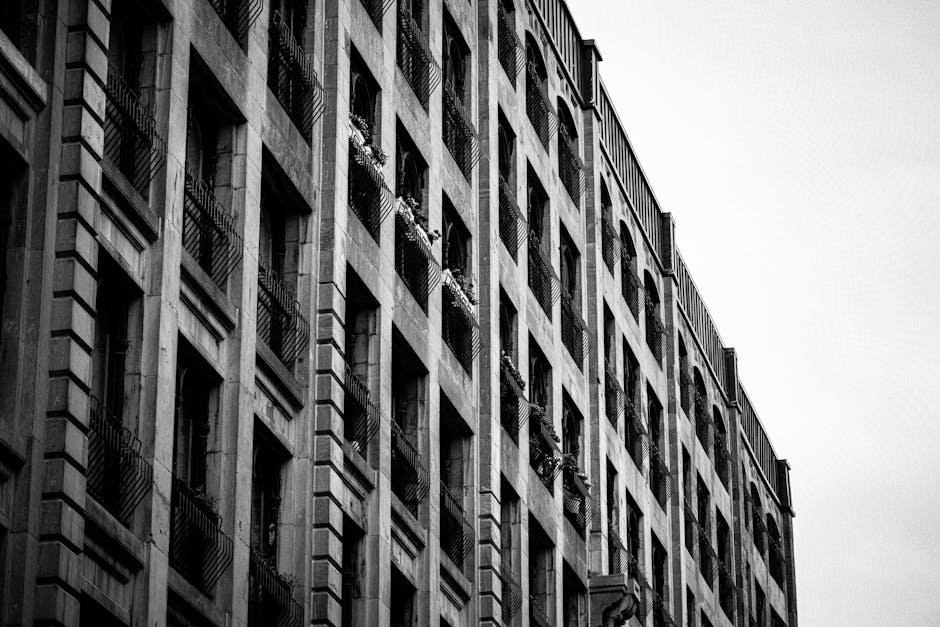
Essential Camera Settings for Stunning Urban Photography
Understanding Camera Settings for Urban Photography
Urban photography offers a unique opportunity to capture the vibrant life and architecture of city environments. To make the most of your shots, understanding the right camera settings for urban photography is essential.
1. Aperture Settings
The aperture controls the depth of field in your images. For capturing cityscapes with sharp focus from foreground to background, use a smaller aperture (higher f-stop, e.g., f/8 to f/16). This ensures everything from pedestrians to distant buildings stays in focus.
2. Shutter Speed
The shutter speed influences motion blur and image sharpness. To freeze moving objects like cars or people, opt for a fast shutter speed (e.g., 1/250s or faster). For capturing motion trails or light streaks at night, use a slower shutter speed.
3. ISO Settings
Adjust the ISO depending on lighting conditions. In bright daytime scenes, keep ISO low (e.g., 100-200) to minimize noise. During low-light urban scenes or nighttime photography, you may need to increase ISO but be cautious to avoid grainy images.
4. Focus Mode
Use autofocus with a focus point on your main subject when shooting quick city scenes. For more control, especially in low light, switch to manual focus to ensure precise focus on specific architecture or details.
5. White Balance
Set the white balance to match current lighting conditions. Auto white balance works well in most cases, but tweaking it can help emphasize the mood of urban settings, especially under different lighting such as streetlights or neon signs.
By mastering these camera settings for urban photography, you can dramatically improve the quality and impact of your city photos. Practice adjusting these settings based on your scene to capture the essence of urban life effectively.