
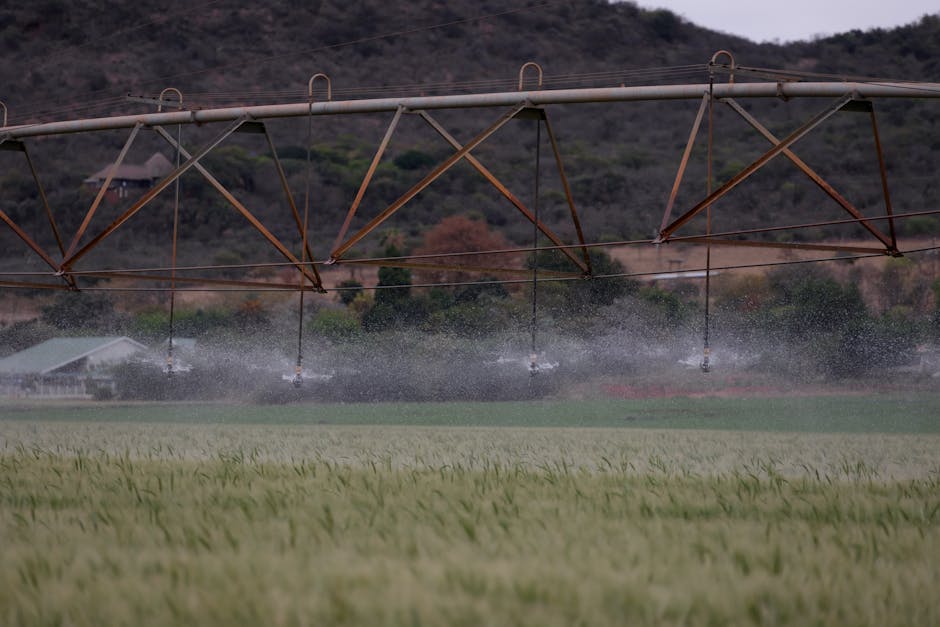
Climate Change and Smart Irrigation Solutions
Understanding the Impact of Climate Change on Agriculture
Climate change poses significant challenges to agriculture worldwide. Rising temperatures, unpredictable rainfall, and extreme weather events threaten crop yields and water availability. These changes necessitate innovative solutions to ensure sustainable food production and water management.
The Role of Smart Irrigation Solutions
Smart irrigation systems leverage technology such as sensors, weather forecasting, and automation to optimize water usage in agriculture. These solutions not only conserve water but also improve crop health and yield by providing precise irrigation based on real-time data. Learn more about the benefits of smart irrigation.
How Smart Irrigation Helps Mitigate Climate Change
By reducing water waste and energy consumption, smart irrigation solutions contribute to lowering greenhouse gas emissions. Additionally, efficient water management helps maintain soil health and resilience against climate-related stressors.
Implementing Smart Irrigation in Your Community
Adopting smart irrigation systems involves assessing local water resources and collaborating with technology providers. Governments and organizations are increasingly supporting the transition to sustainable water practices through subsidies and educational programs. Explore our guide on how to implement smart irrigation solutions effectively.
Conclusion
As climate change continues to impact our planet, adopting intelligent water management strategies like smart irrigation becomes essential. These solutions not only help conserve vital resources but also promote resilient and sustainable agricultural practices for the future.