
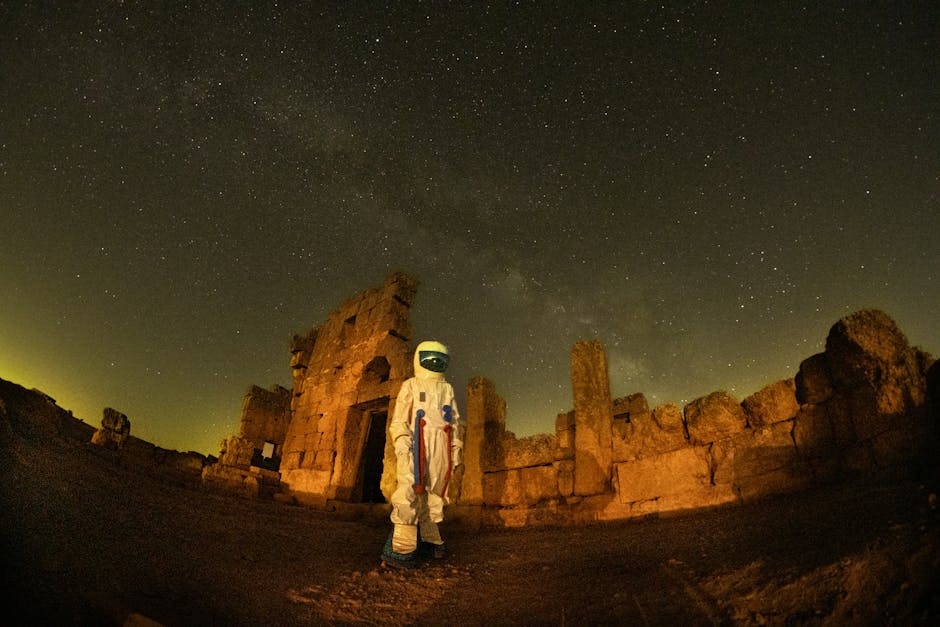
Exploring Cryptic Archaeological Sites: Revealing Hidden Histories
Introduction to Cryptic Archaeological Sites
Cryptic archaeological sites are locations that contain mysterious structures, symbols, or layouts that have yet to be fully understood by researchers. These sites challenge our knowledge of ancient civilizations and often leave visitors intrigued by their purpose and origin.
Famous Examples of Cryptic Sites
One of the most well-known cryptic sites is the Machu Picchu, nestled high in the Andes of Peru. Its complex structures and mysterious purpose continue to spark debates among archaeologists. Similarly, Nazca Lines are a set of enormous geoglyphs that seem to hold celestial or ritual significance.
The Significance of Unraveling Mysteries
Understanding these cryptic sites provides valuable insights into ancient civilizations and their cultural practices. They may also reveal information about early human survival strategies and interactions with their environment.
Challenges in Studying Cryptic Sites
Many cryptic archaeological sites are difficult to study due to their remote locations, degradation over time, or unclear purpose. Advances in remote sensing technologies and digital reconstruction are helping researchers uncover their secrets.
Conclusion
Cryptic archaeological sites continue to fascinate and inspire archaeologists, historians, and enthusiasts alike. As technology advances, so does our ability to decode these ancient mysteries, enriching our understanding of ancient mysteries and human history.