
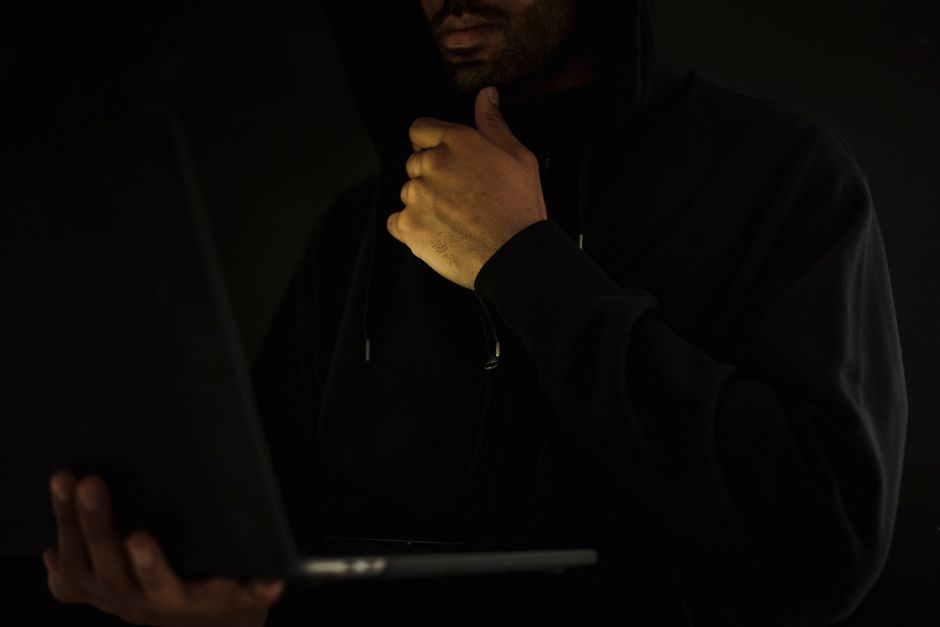
Cybersecurity Tips for Today's Remote Employees
As remote work becomes increasingly common, ensuring robust cybersecurity measures is more important than ever. Remote employees often face unique security challenges, such as unsecured networks and personal device vulnerabilities. To keep your work and personal data safe, consider implementing the following cybersecurity best practices.
Use Strong and Unique Passwords
Creating complex passwords and avoiding reuse across multiple accounts can significantly reduce the risk of unauthorized access. Utilizing a reliable password manager helps generate and store strong passwords securely.
Enable Multi-Factor Authentication
Whenever available, activate multi-factor authentication (MFA). This adds an extra layer of security by requiring a second verification step, such as a code sent to your mobile device.
Secure Your Wi-Fi Network
Ensure your home Wi-Fi network is protected with a strong password and WPA3 encryption. Consider using a secure router and regularly updating its firmware to patch vulnerabilities.
Keep Software and Devices Updated
Regularly update your operating system, browsers, and antivirus software to safeguard against the latest threats. Enable automatic updates whenever possible.
Be Cautious of Phishing Attacks
Stay vigilant against suspicious emails or links that could compromise your security. Always verify the source before clicking on any attachments or links.
Use VPNs for Secure Connections
Applying a VPN encrypts your internet traffic, making it harder for cybercriminals to intercept sensitive data when working outside of secure networks.
Adopting these cybersecurity tips can help remote employees stay protected and maintain the integrity of their work environment. Prioritizing security is essential in today’s digital landscape, especially when working remotely.