
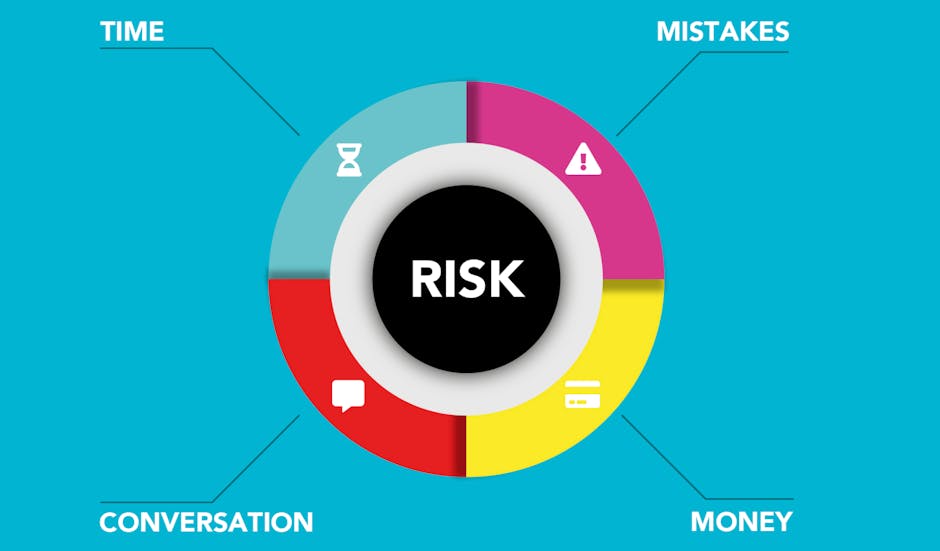
Common Decision Making Mistakes and How to Avoid Confirmation Bias
Effective decision making is crucial in both personal and professional contexts. However, many individuals fall into common traps that can hinder their ability to make optimal choices. One such trap is the decision making mistakes to avoid, which includes cognitive biases that skew our judgment.
Among these biases, confirmation bias is particularly pervasive. Confirmation bias occurs when we tend to seek out and favor information that confirms our existing beliefs, while disregarding evidence that contradicts them. This bias can lead to flawed conclusions and poor decision outcomes.
Understanding Confirmation Bias in Decision Making
When engaging in decision making, it's essential to recognize how confirmation bias might affect your reasoning. By only listening to supporting evidence or ignoring conflicting information, you risk making decisions based on incomplete or skewed data.
Strategies to Avoid Confirmation Bias
- Seek diverse perspectives: Consult with others who have different viewpoints to challenge your assumptions.
- Question your assumptions: Regularly ask yourself whether your beliefs are based on solid evidence.
- Investigate opposing evidence: Make an effort to find information that contradicts your initial beliefs and consider it carefully.
- Implement systematic decision processes: Use frameworks or checklists to ensure all relevant information is considered before making a decision.
The Importance of Being Aware of Decision Making Mistakes
By understanding common decision making mistakes and recognizing cognitive biases like confirmation bias, you can greatly improve the quality of your decisions. Developing awareness and applying strategic approaches help mitigate these pitfalls.
Remember, good decision making is a skill that can be honed with practice and self-awareness. Avoiding biases not only leads to better outcomes but also fosters critical thinking and confidence in your choices.