
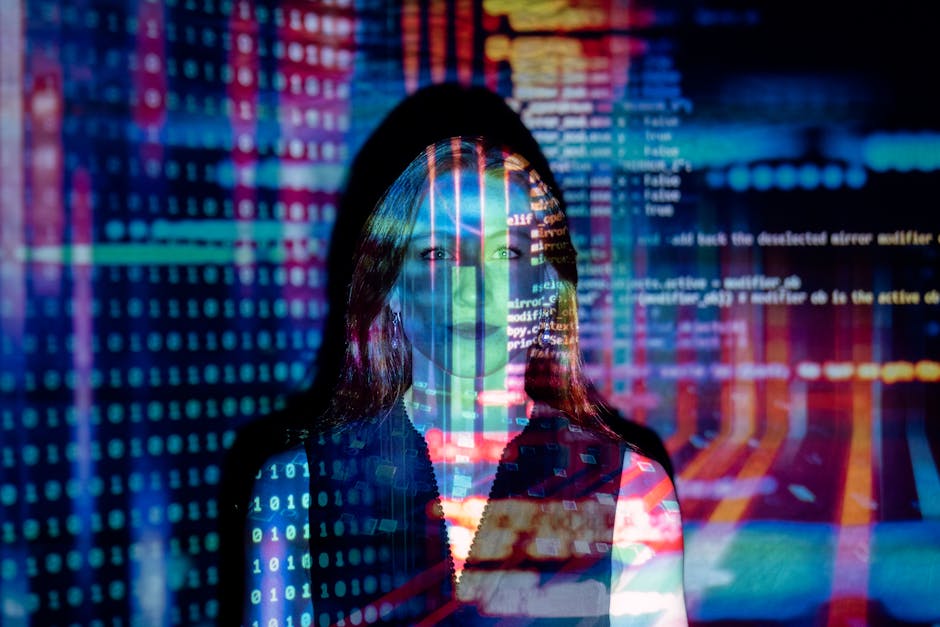
Understanding Deepfakes and AI Digital Manipulation
What Are Deepfakes?
Deepfakes are synthetic media where artificial intelligence (AI) technology is used to create highly realistic but fake images, videos, or audio recordings. They leverage deep learning techniques, particularly generative adversarial networks (deep learning techniques), to replace or alter content in a way that is often indistinguishable from authentic media.
The Rise of AI Digital Manipulation
AI digital manipulation refers to the broader spectrum of editing and creating digital content through artificial intelligence. This encompasses not only deepfakes but also automated image editing, text generation, and more. Such advancements have opened up new creative possibilities but also pose significant ethical challenges.
Applications of Deepfakes and AI Manipulation
- Entertainment: Film and gaming industries are using AI to create realistic CGI characters and visual effects [Learn more].
- Education and Training: Simulating realistic scenarios for training purposes [Read more].
- Political and Social Issues: Deepfakes can be used to spread misinformation or fake news if not properly regulated [Find out more].
Risks and Ethical Considerations
The technology behind deepfakes and AI digital manipulation can be misused, leading to concerns about privacy, consent, and misinformation. It is crucial for developers, policymakers, and users to work together to establish ethical guidelines and detection tools to combat malicious uses [Learn about risks and ethics].
Future Outlook
As AI continues to evolve, so will the capabilities of digital manipulation tools. Innovations aim to improve the detection of fake content and develop trustworthy AI systems. Staying informed and vigilant is essential for everyone in the digital age [Explore future trends].