
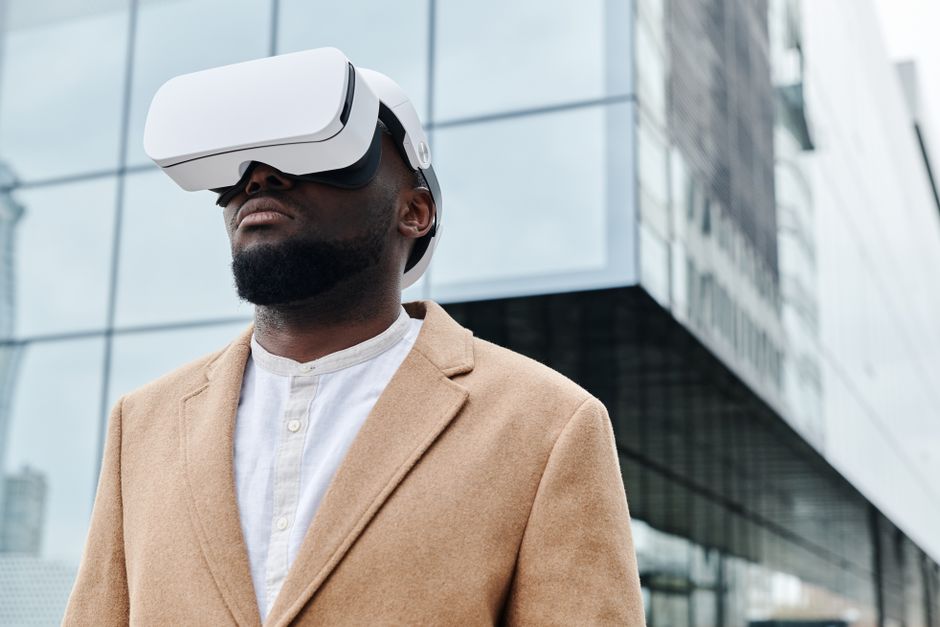
Digital Transformation in Urban Life: Embracing the Future
Introduction to Digital Transformation in Urban Life
Digital transformation is rapidly changing the landscape of urban environments, making cities smarter, more efficient, and more sustainable. This evolution impacts how residents and city officials interact, manage resources, and plan for the future.
Smart Cities and IoT Integration
One of the key elements of digital transformation in urban life is the development of smart cities that leverage the Internet of Things (IoT) to enhance connectivity. Sensors embedded in infrastructure collect data to optimize traffic flow, improve public safety, and manage waste more effectively.
Enhanced Public Services
Digital tools enable cities to offer more efficient and accessible public services. For example, residents can access city digital platforms to pay bills, report issues, or participate in civic engagement efforts, fostering a more inclusive community experience.
Sustainable Urban Development
Technology-driven innovations contribute to sustainable urban growth by monitoring air quality, managing energy consumption, and supporting eco-friendly transportation options. These initiatives help reduce the environmental footprint of cities and improve quality of life.
Future Outlook
The ongoing digital transformation promises to further enhance urban living through advancements in smart city technologies and data-driven urban planning. Embracing these changes can lead to more resilient, adaptable, and livable cities for generations to come.