
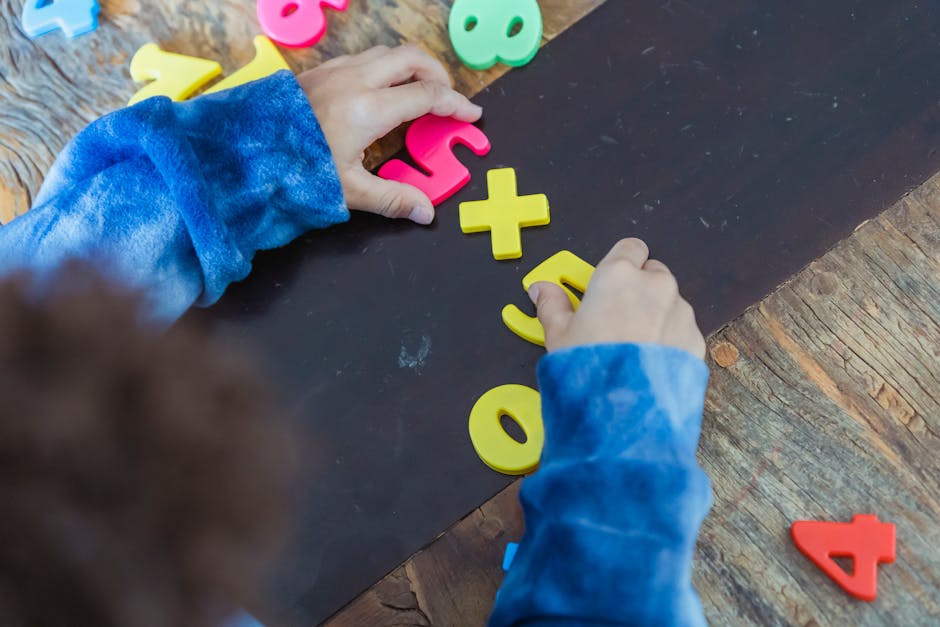
Effective Play-Based Learning Strategies for Early Education
In the realm of early childhood education, play-based learning strategies are essential for fostering a nurturing and stimulating environment. These approaches harness the natural curiosity of children, encouraging them to explore, experiment, and develop foundational skills.
The Importance of Play in Development
Play is not just about fun; it plays a crucial role in cognitive, social, and emotional growth. Through activities like imaginative play and hands-on projects, children learn problem-solving, cooperation, and communication skills. For more insights, explore our guide on benefits of play-based learning.
Key Strategies for Effective Play-Based Learning
- Structured Play: Incorporate guided activities that align with developmental goals. This ensures children gain specific skills while enjoying their playtime.
- Loose Parts Play: Use open-ended materials like blocks, stones, or fabric to inspire creativity and decision-making.
- Balanced Approach: Combine teacher-led and child-initiated play to foster independence and direction.
- Environment Optimization: Create a safe, inviting space that encourages exploration and peer interaction.
Implementing Play-Based Strategies in the Classroom
Teachers can embed play-based learning strategies into daily routines by setting up thematic centers and providing meaningful resources. Regular reflection and assessment help tailor activities to meet individual needs, ensuring an effective learning experience for every child.