
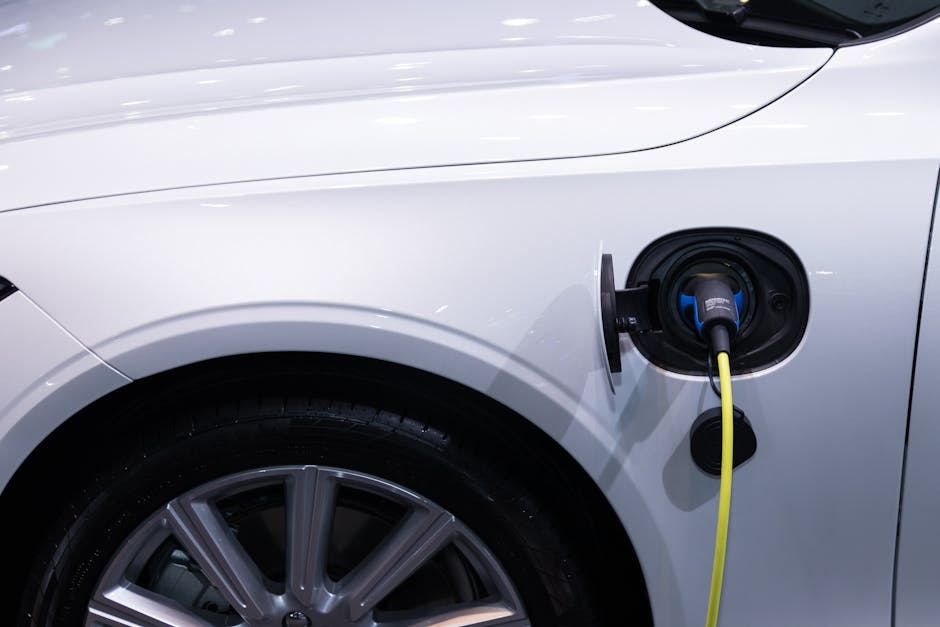
Understanding Electric Vehicle Charging Networks
The shift towards sustainable transportation has made electric vehicles (EVs) increasingly popular among consumers worldwide. A crucial aspect of this transition is the development of robust electric vehicle charging networks, which enable EV owners to recharge their vehicles conveniently and efficiently.
Electric vehicle charging networks consist of various types of chargers, including Level 1, Level 2, and DC fast chargers. These chargers differ in charging speed and installation requirements, catering to different usage scenarios such as home charging or rapid charging during travel.
One of the key benefits of well-established charging networks is the availability of charging station locators, which help EV drivers find nearby charging points effortlessly. Many networks also offer mobile apps for real-time status updates, reservation options, and payment processing, making the charging experience more seamless.
As electric vehicle adoption continues to rise, expanding and improving charging infrastructure is vital. Public and private partnerships are working together to deploy more charging stations across urban and rural areas, reducing range anxiety and encouraging more people to choose EVs.
If you're considering switching to an electric vehicle, understanding how these charging networks work can help you plan your routes better and ensure you’re always prepared for your journeys. Ultimately, a reliable charging network is the backbone of a clean transportation future.