
Energy Efficient Home Practices and Renewable Energy Sources
Introduction to Energy Efficiency in Homes
Living in an energy-efficient home can significantly reduce your household energy consumption. Implementing practical strategies helps save money and protect the environment.
Key Practices for Creating an Energy Efficient Home
- Insulation and Sealing: Proper insulation keeps your home warm in winter and cool in summer, reducing the need for heating and cooling.
- Energy-Saving Appliances: Use appliances with high energy efficiency ratings to lower electricity usage.
- Smart Home Technology: Implementing smart thermostats and lighting controls can optimize energy usage automatically.
- Regular Maintenance: Regularly maintain HVAC systems and check for leaks to ensure optimal performance.
Renewable Energy Sources for Your Home
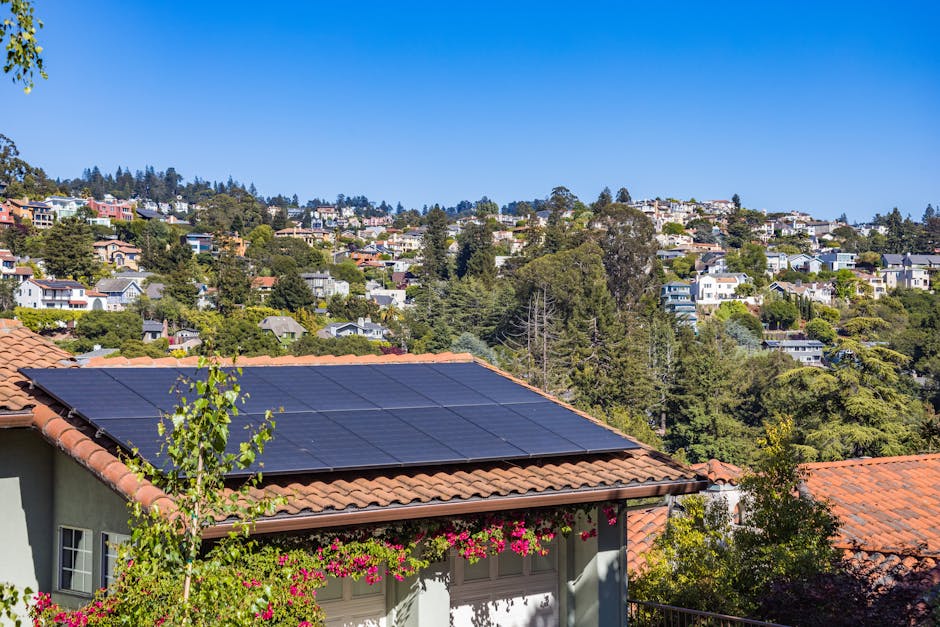
Transitioning to solar energy is one of the most popular ways to incorporate renewable energy sources into your lifestyle. Solar panels can generate electricity and reduce reliance on fossil fuels.
Wind turbines are another option for homes in suitable locations, providing a clean source of power while decreasing your carbon footprint. Additionally, geothermal energy can be used for heating and cooling your home efficiently.
Benefits of Combining Energy Efficiency and Renewable Sources
By adopting energy efficient practices alongside renewable energy sources, homeowners can achieve significant cost savings and contribute to a sustainable future. It also increases energy independence and resilience against energy price fluctuations.
Conclusion
Making your home more energy efficient and utilizing renewable energy sources are essential steps toward a greener lifestyle. Start implementing these practices today to enjoy long-term benefits for both your wallet and the planet.