
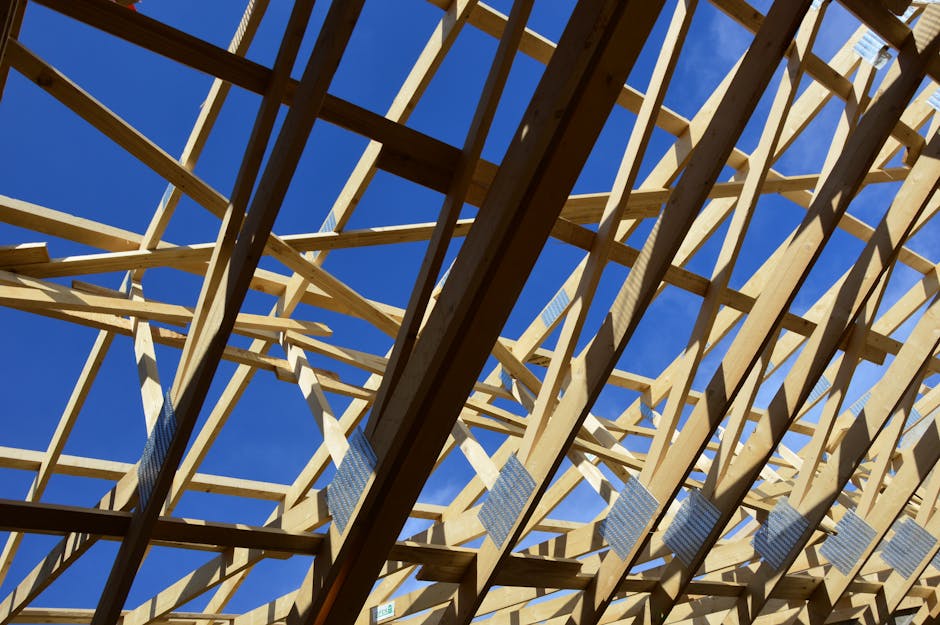
Transforming Construction with Energy-Efficient Materials
Introduction: The Future of Sustainable Construction
In recent years, the construction industry has undergone a significant transformation driven by the demand for more sustainable and eco-friendly building practices. One of the key drivers of this change is the incorporation of energy-efficient materials that improve building performance and reduce environmental impact.
The Role of Energy-Efficient Materials in Construction
Energy-efficient materials such as advanced insulation, reflective roofing, and high-performance windows are essential in creating buildings that consume less energy. These materials not only contribute to cost savings over time but also help in meeting stringent environmental regulations.
Innovations Shaping the Construction Industry
- Innovative insulation solutions that provide superior thermal performance
- High-performance glazing for better energy conservation
- Sustainable roofing materials that reflect heat and reduce cooling loads
Benefits of Using Energy-Efficient Materials
Utilizing these materials in construction projects offers numerous benefits, including:
- Reduced energy consumption and lower utility bills
- Enhanced indoor comfort
- Lower greenhouse gas emissions
- Increased property value and marketability
Conclusion: The Path Forward
As the world moves toward greener building practices, transforming construction into a more sustainable industry hinges on the adoption of innovative, energy-efficient materials. Embracing these advancements can lead to a healthier planet and more resilient buildings for future generations.