
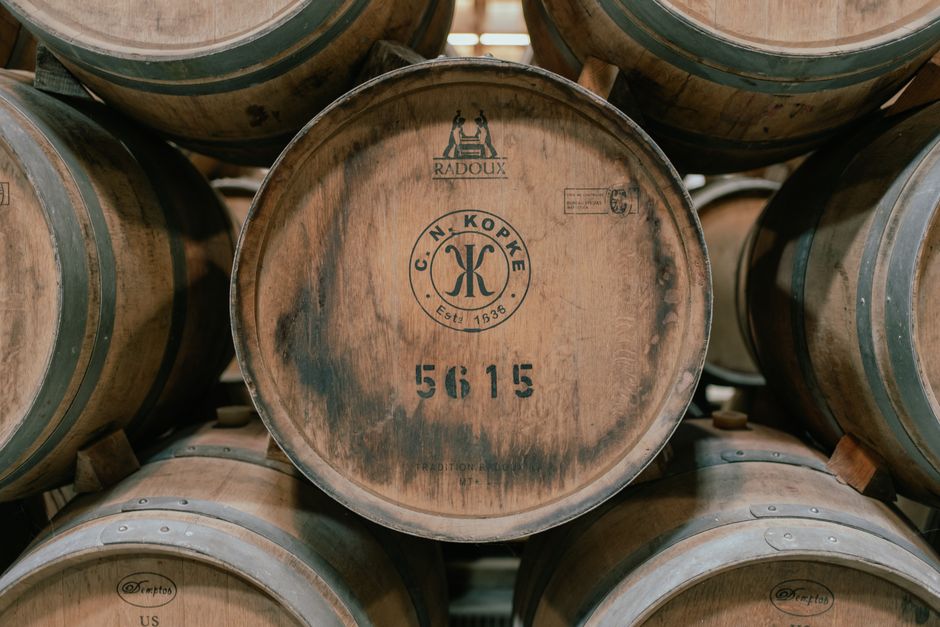
Fermentation Secrets Revealed: Achieving the Perfect Temperature and Humidity
Fermentation is a fascinating process that transforms simple ingredients into delicious and preserves foods like sauerkraut, kimchi, yogurt, and more. Achieving optimal results requires understanding the ideal temperature and humidity. Proper environmental conditions are crucial for fermentation to progress smoothly and safely.
Understanding the Role of Temperature
Temperature significantly influences the activity of fermentation microbes. Most beneficial bacteria and yeasts thrive within a specific temperature range. For instance, many fermentations occur best between 18°C and 22°C (64°F and 72°F). Maintaining this temperature ensures active fermentation without encouraging undesirable bacteria.
Controlling Humidity for Optimal Fermentation
Humidity levels help prevent mold and spoilage during fermentation. A humidity range of approximately 70% to 80% is generally recommended for most fermentation projects. Covering your fermenting jars with breathable cloths, rather than airtight lids, can maintain the right humidity while allowing gases to escape.
Tips for Maintaining Ideal Conditions
- Place your fermenting container in a consistent, warm spot away from direct sunlight.
- Use a thermometer and hygrometer to monitor temperature and humidity levels.
- If needed, control temperature using a fermentation chamber or a warm water bath.
- Maintain humidity with a damp cloth or by placing a shallow dish of water nearby.
Mastering the ideal temperature and humidity can make the difference between a successful fermentation and spoiled results. Experimenting within recommended ranges allows you to develop a better understanding of how environment impacts your fermented foods.
For more detailed insights, check out our full guide on fermentation secrets.