
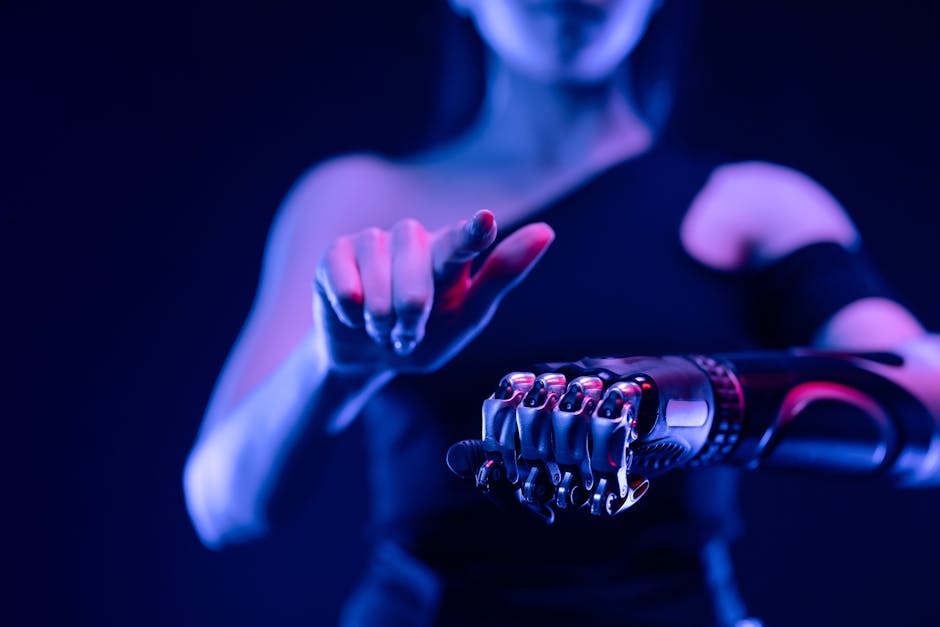
Future of Human-Robot Communication: Advancements Leading the Way
The landscape of human-robot communication is rapidly evolving, driven by breakthroughs in artificial intelligence, natural language processing, and sensor technologies. As robots become more intuitive and responsive, their ability to understand and respond to human emotions and commands enhances the overall interaction experience.
Recent advancements have led to the development of more sophisticated communication interfaces, such as speech recognition systems and gesture-based controls. These innovations enable robots to engage with humans more naturally, fostering smoother collaboration in various sectors, from healthcare to manufacturing.
Moreover, ongoing research into AI and machine learning for human-robot interaction aims to create robots that can learn from their environment and adapt their responses accordingly. This dynamic adaptability is essential for applications requiring high levels of personalization and empathy.
The future of robot communication technologies includes the integration of emotional intelligence, allowing robots to detect and interpret human feelings, further bridging the gap between humans and machines. As this field advances, we can expect more intuitive and meaningful interactions in everyday life and specialized environments.
In conclusion, the progress in human-robot communication is setting the stage for a future where robots will seamlessly integrate into our social and professional spheres, making our interactions more efficient, empathetic, and engaging.