
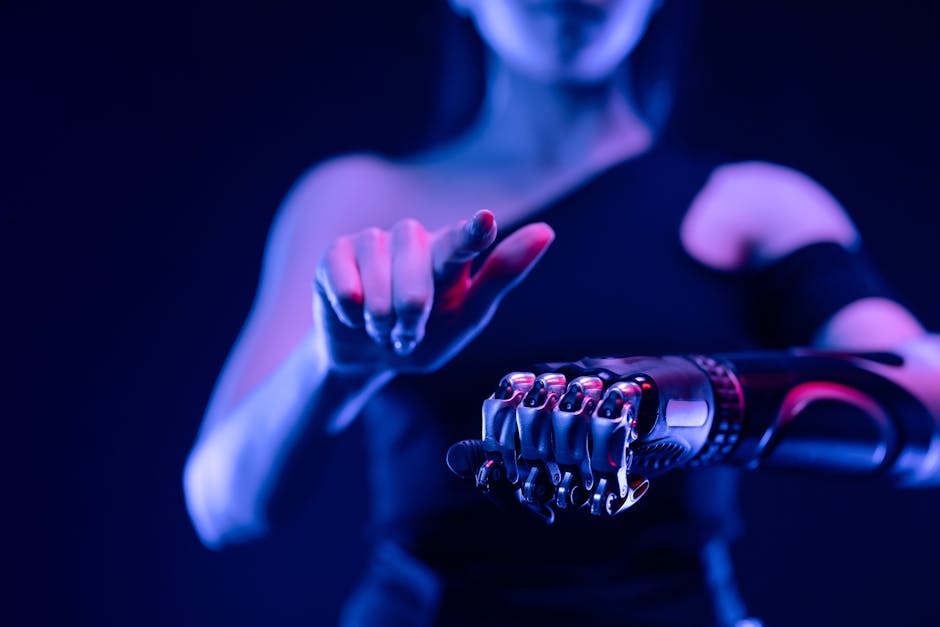
Future of Human-Robot Communication and Ethical Considerations
The Evolution of Human-Robot Communication
As technology advances, human-robot communication is becoming increasingly seamless. Early interactions were limited to basic commands, but now, robots are capable of understanding nuanced language, emotions, and even contextual cues. This evolution paves the way for more natural and effective collaboration between humans and machines.
Future Prospects in Human-Robot Interaction
Looking ahead, future developments in human-robot communication aim to create more intuitive interfaces, including voice recognition, facial expression analysis, and emotional intelligence. These advancements could revolutionize sectors such as healthcare, education, and customer service, fostering a more integrated and symbiotic relationship between humans and robots.
Ethical Challenges in Robot Integration
With these exciting opportunities come significant ethical considerations. Issues surrounding privacy, consent, and the potential loss of human touch need careful examination. Ensuring that robot development aligns with human values and societal norms is essential for building trust and safeguarding rights in this new era.
Conclusion
The future of human-robot communication holds immense potential, but it also requires responsible ethical frameworks. Continued dialogue among technologists, ethicists, and the public will be crucial to shape a future where technology enhances human life without compromising core values.