
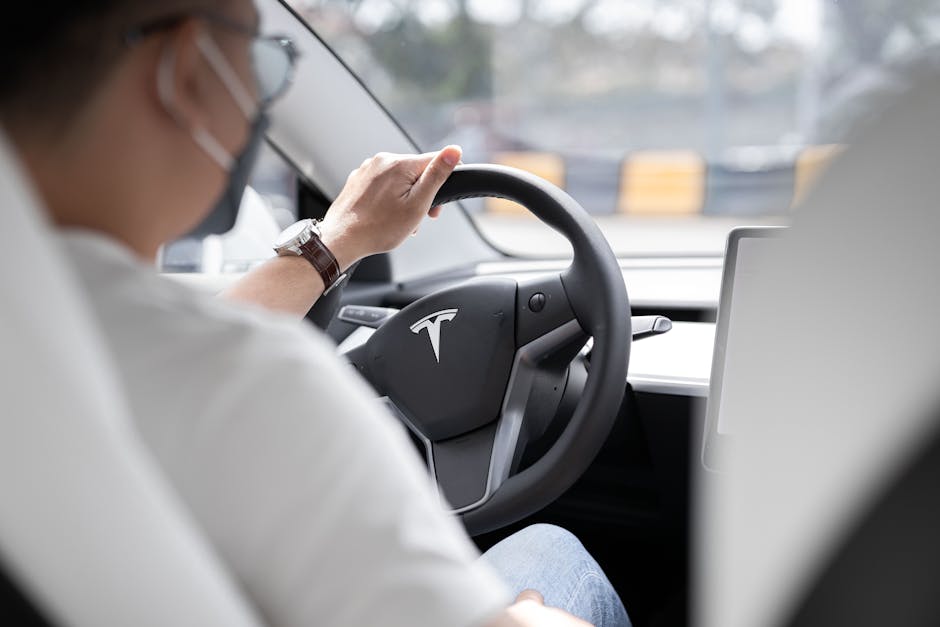
The Future of Autonomous Driving: How It Works and Its Potential
Autonomous driving technology is transforming the way we perceive transportation. With advancements in artificial intelligence, sensor technology, and machine learning, self-driving cars are becoming more reliable and accessible. Many experts believe that the future of autonomous driving will revolutionize daily commuting, logistics, and urban mobility.
Understanding How Autonomous Vehicles Work
At the core of autonomous vehicles is a complex integration of hardware and software systems. These vehicles use a combination of sensors, such as LIDAR, radar, and cameras, to perceive their environment. Data collected by these sensors is processed by onboard computers that interpret surroundings, identify obstacles, and make driving decisions.
Machine learning algorithms enable autonomous cars to improve their decision-making over time, adapting to different driving conditions and environments. The system's ability to process data in real-time ensures safety and efficiency on the roads.
The Implications of Autonomous Driving
The widespread adoption of autonomous vehicles could lead to significant benefits, including increased road safety, reduced traffic congestion, and greater accessibility for people unable to drive. However, challenges such as regulatory frameworks and cybersecurity need to be addressed to realize this technology's full potential.
For more insights into this exciting technology, check out our article on how autonomous vehicles operate and learn about the innovations driving this disruptive industry.