
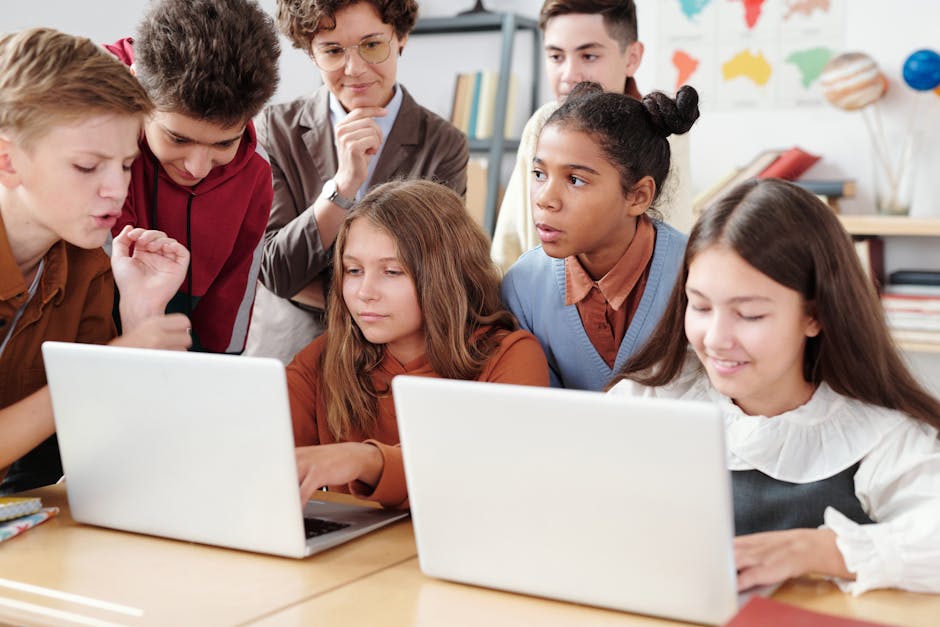
The Future of Classrooms: Innovations Shaping Education
The Future of Classrooms: Embracing Innovation
The concept of future of classrooms is rapidly evolving with advancements in technology and pedagogical strategies. As education shifts towards more interactive and personalized experiences, traditional classrooms are being transformed into dynamic learning environments.
Emerging Technologies in Education
Innovations such as virtual reality and augmented reality are providing students with immersive learning experiences, making complex subjects more accessible and engaging. These technologies enable students to explore virtual environments, enhancing understanding and retention.
Personalized Learning Approaches
The< a href="/future-of-classrooms/AI-and-adaptive-learning">use of AI and adaptive learning platforms allows educators to tailor lessons to meet individual student needs. This customization promotes better engagement and academic success, ensuring no student is left behind.
Flexible Learning Spaces
The design of flexible physical spaces facilitates collaborative and independent learning, fostering an environment where students can thrive both socially and academically. These adaptable spaces support a variety of teaching methods and activities.
The Role of Teachers in Future Classrooms
While technology plays a significant role, the role of teachers as facilitators remains crucial. Educators will increasingly serve as guides, mentoring students through personalized digital resources and innovative learning methods.
Overall, the future of classrooms promises a more interactive, inclusive, and effective educational experience. Embracing these innovations will prepare students better for the challenges of tomorrow.