
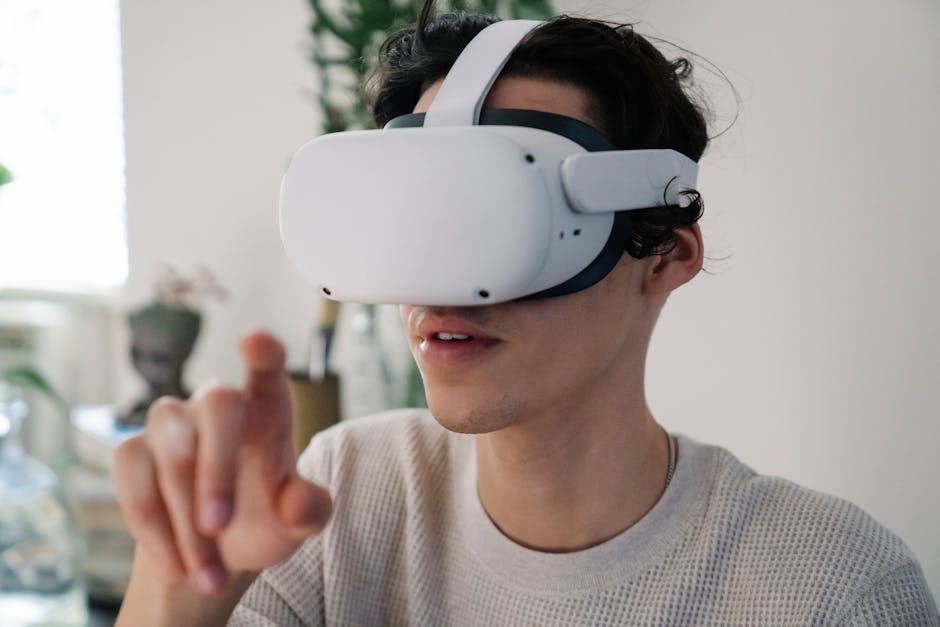
The Future of Mental Health Therapy in Augmented Worlds
Introduction
As technology continues to evolve at a rapid pace, the realm of mental health therapy is also experiencing significant transformations. Augmented worlds are emerging as a promising frontier for delivering effective mental health interventions.
Augmented Reality and Mental Health
Augmented reality (AR) overlays digital information onto the physical environment, creating immersive experiences. This technology can be utilized to simulate real-world scenarios, helping individuals confront and manage phobias, anxiety, and other mental health challenges in a controlled manner.
Advantages of Using Augmented Worlds in Therapy
- Personalization: Therapy sessions can be tailored to individual needs using AR environments.
- Accessibility: Patients can access therapy sessions from remote locations, breaking geographical barriers.
- Engagement: Interactive and immersive experiences can increase patient engagement and adherence to therapy plans.
Future Perspectives
The integration of AR technology into mental health treatment is still in its early stages, but early research indicates promising outcomes. As hardware becomes more affordable and user-friendly, more mental health professionals are expected to adopt augmented worlds as part of their therapeutic arsenal.
Conclusion
The future of mental health therapy in augmented worlds holds great potential to enhance treatment efficacy, accessibility, and patient experience. Continued research and technological advancements will be key to realizing this promising frontier.