
The Future of Quantum Cryptography: Unlocking New Horizons in Data Security
Introduction to Quantum Cryptography
In our increasingly digital world, ensuring the security of sensitive information is more vital than ever. Quantum cryptography offers promising solutions by leveraging the principles of quantum mechanics. Unlike traditional encryption methods, it provides theoretically unbreakable security, making it a game-changer for the future of data protection.
How Quantum Cryptography Works
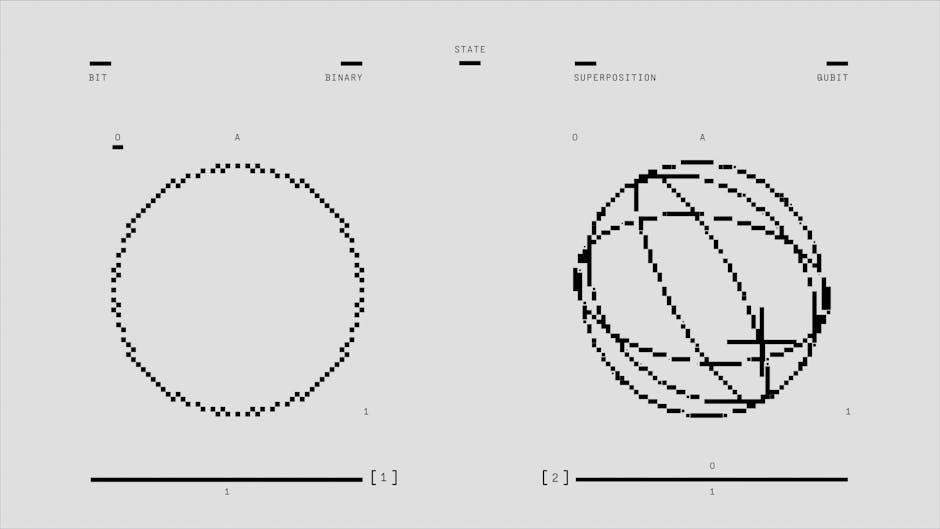
At the core of quantum cryptography is the concept of quantum key distribution (QKD). Through quantum key distribution, two parties can securely share encryption keys with the guarantee that any eavesdropping attempt will be detectable. This is possible because of the fundamental properties of quantum particles, such as superposition and entanglement.
Current Advancements and Challenges
Recent advances in quantum technology have accelerated the development of practical quantum cryptography systems. However, challenges remain, including the need for large-scale quantum networks and overcoming hardware limitations. Despite these hurdles, ongoing research aims to make quantum-secure communication accessible worldwide.
Implications for the Future
The future of quantum cryptography looks promising, with potential applications spanning government, finance, healthcare, and beyond. As quantum computing continues to evolve, traditional encryption could become vulnerable, making quantum cryptography essential for maintaining data integrity and privacy in the coming decades.
Conclusion
As we stand on the brink of a quantum revolution, understanding the future of quantum cryptography is crucial. It represents a significant step toward securing our digital future against emerging threats and unlocking new possibilities in information security.