
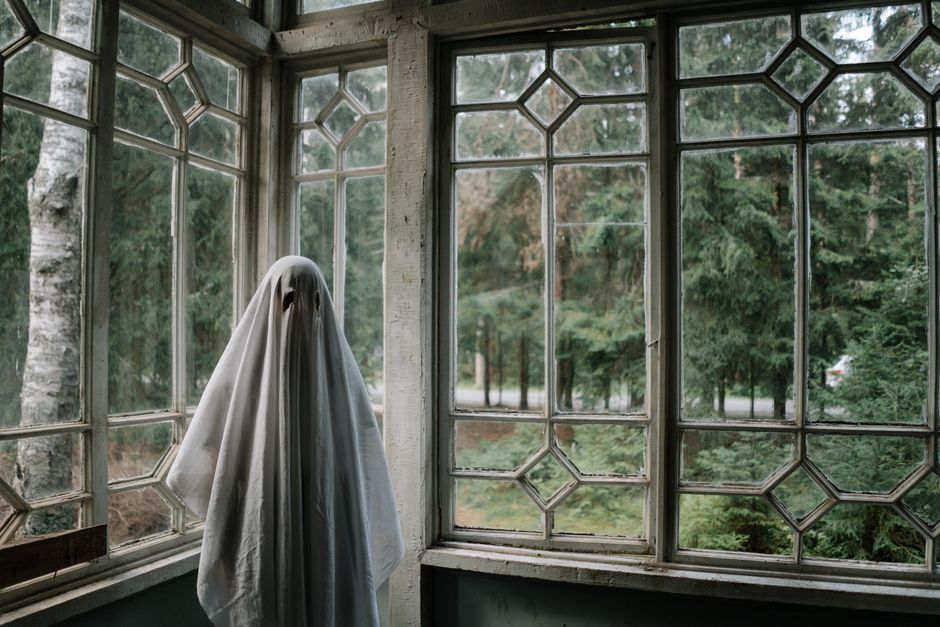
Understanding Ghost Encounters: The Role of Suggestibility and Perception in Paranormal Experiences
Introduction to Ghost Encounters and Psychology
Many individuals report ghost encounters that seem inexplicable at first glance. However, psychological factors, especially suggestibility, play a significant role in how people perceive and interpret these experiences.
The Influence of Suggestibility on Paranormal Perceptions
Suggestibility refers to how susceptible an individual is to influence, which can heighten sensitivity to ambiguous stimuli. In the context of ghost encounters, highly suggestible people might interpret normal environmental noises or visual illusions as paranormal phenomena.
The Psychology Behind Perceiving the Paranormal
Research suggests that our minds are prone to filling in gaps when faced with uncertainty, leading to paranormal perceptions. Factors like cultural beliefs, personal experiences, and cognitive biases shape our interpretation of unexplained sightings or sensations.
Scientific Perspectives on Ghost Encounters
Scientists often analyze ghost encounters through psychological and physiological lenses, emphasizing the importance of scientific explanations rather than supernatural claims. Studies indicate that brain function, sleep paralysis, or hallucinations can contribute to perceptions of spirits or ghosts.
Conclusion
Understanding the psychology of suggestibility and perception provides valuable insight into ghost experiences. Recognizing these factors can help individuals differentiate between psychological phenomena and alleged supernatural occurrences.