
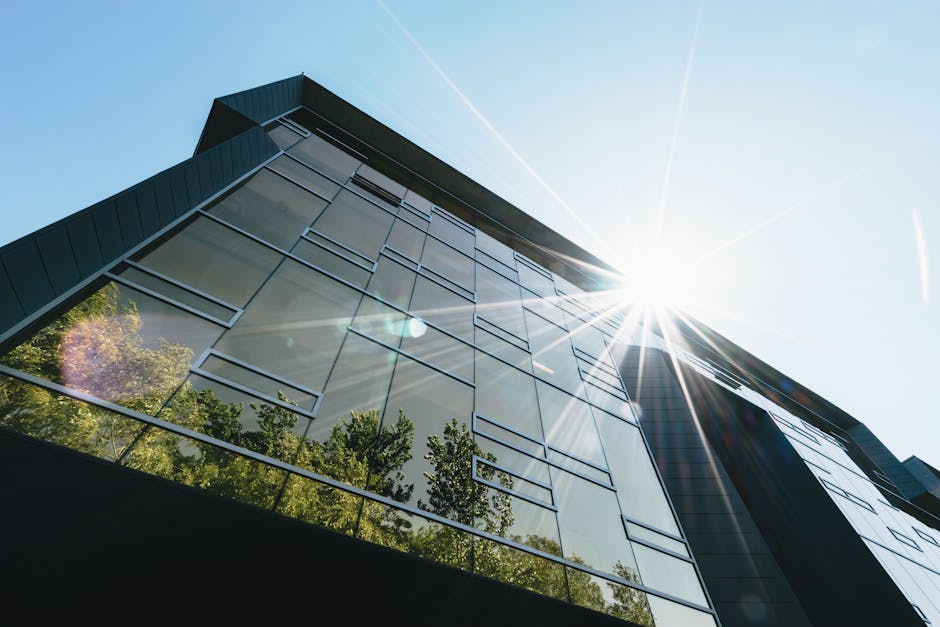
Green Architecture Examples: Sustainable Design in Modern Buildings
Introduction to Green Architecture
Green architecture, also known as sustainable design, focuses on reducing the environmental impact of buildings while enhancing occupant well-being. It incorporates eco-friendly materials, energy efficiency, and innovative technologies to create structures that are both functional and environmentally responsible.
Notable Green Architecture Examples
Edge | Amsterdam, Netherlands
The Edge building in Amsterdam is considered one of the most sustainable office buildings globally. It uses extensive solar panels, smart lighting systems, and energy-efficient insulation to minimize its carbon footprint.
Learn more about The EdgeBosco Verticale | Milan, Italy
This 'Vertical Forest' integrates numerous trees and plants into residential towers, improving air quality and biodiversity within an urban environment.
Discover Bosco VerticaleOne Central Park | Sydney, Australia
Featuring a stunning heliostat and lush vertical gardens, One Central Park exemplifies how greenery can be incorporated into skyscraper design to promote sustainability and aesthetic appeal.
Explore One Central ParkBenefits of Green Architecture
- Reduced energy consumption
- Lower environmental impact
- Enhanced occupant health and comfort
- Cost savings over time
Conclusion
Green architecture examples like The Edge, Bosco Verticale, and One Central Park demonstrate how innovative design can lead to a more sustainable future. Incorporating eco-friendly practices into building design not only benefits the environment but also improves the quality of urban life.