
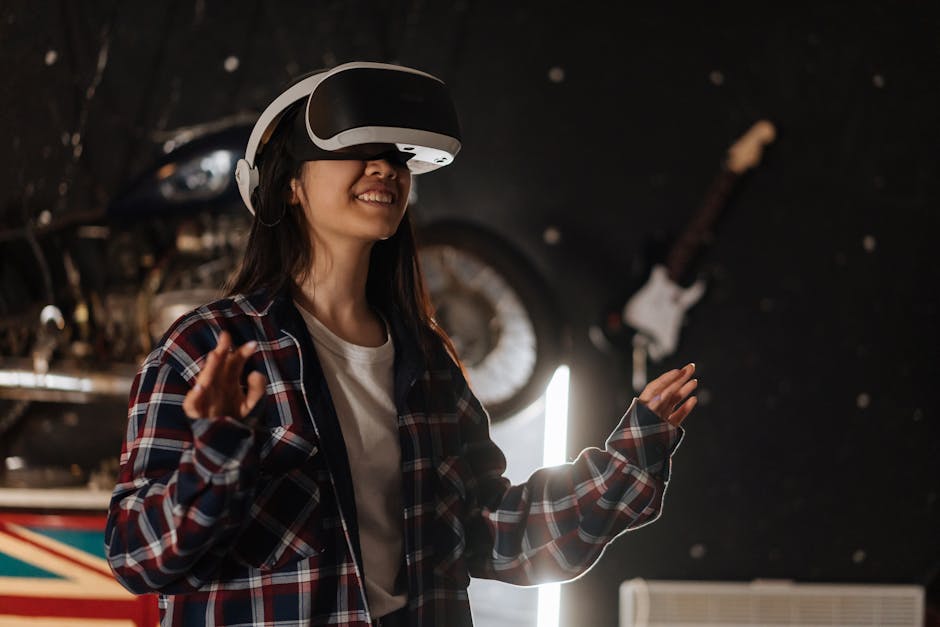
Hidden Benefits of Virtual Reality in Advertising
Unlocking the Hidden Benefits of Virtual Reality in Advertising
Virtual reality (VR) is often associated with gaming or entertainment, but its potential in the advertising industry is vast and still being explored. While many marketers are aware of its immersive capabilities, few realize the hidden benefits of virtual reality in advertising.
Enhanced Customer Engagement
One significant advantage of VR is its ability to create highly engaging experiences. Unlike traditional ads, VR allows users to interact with products or environments, leading to deeper emotional connections. For instance, a virtual shopping experience can give customers a sense of presence and control.
Improved Brand Recall
Immersive experiences tend to be memorable. When consumers participate in a VR campaign, they are more likely to retain information about the brand or product. This heightened recall can translate into increased brand loyalty over time.
Data-Driven Insights
Virtual reality platforms enable advertisers to collect detailed user interaction data. This data can be used to fine-tune marketing strategies and better understand consumer preferences, leading to more personalized advertising efforts.
Cost-Effective Prototyping and Demonstrations
VR allows brands to showcase products or services without the need for physical prototypes. This can significantly reduce costs while providing potential customers with a comprehensive understanding of offerings.
Future Opportunities in VR Advertising
As VR technology becomes more accessible, its role in advertising is expected to grow. Innovative campaigns that leverage virtual environments can stand out in a crowded marketplace and foster stronger customer relationships.
In conclusion, exploring the hidden benefits of virtual reality in advertising can open new avenues for brands aiming to innovate and engage their audience more effectively.