
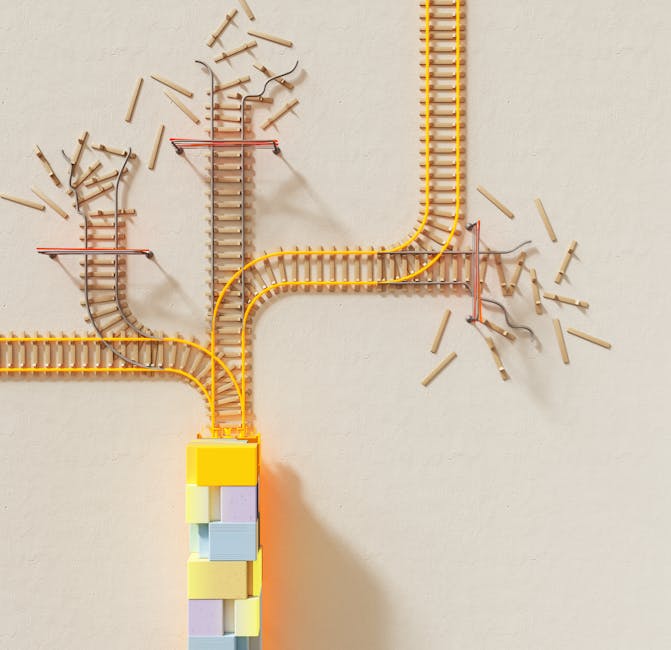
Understanding Hidden Biases in Decision-Making
What Are Hidden Biases in Decisions?
Hidden biases are subconscious assumptions or attitudes that affect our judgment without our awareness. These biases can impact various areas of life, including workplace decisions, hiring processes, and personal choices.
The Impact of Hidden Biases
Unaddressed biases can lead to unfair treatment and disparities. For example, biases in hiring decisions may result in less diversity and missed opportunities for talented candidates.
Recognizing Hidden Biases
Self-awareness is crucial in identifying hidden biases. Techniques such as bias-awareness training and self-assessment tools can help uncover subconscious prejudices.
Strategies to Mitigate Hidden Biases
Implementing structured decision-making processes, promoting diversity, and engaging in ongoing education are effective ways to reduce the influence of hidden biases. Learn more about reducing workplace bias.
Conclusion
Understanding and addressing hidden biases is essential for creating fairer decisions in personal and professional contexts. By actively seeking to recognize these biases, we can work towards more objective and equitable outcomes.