
How Quantum Computing Is Transforming Historical Research
Introduction
Recent developments in quantum computing are poised to significantly impact the field of historical research. This revolutionary technology promises to enhance data processing capabilities and unlock new sources of historical knowledge.
The Evolution of Historical Research
Historically, history has relied on traditional methods such as archival research, textual analysis, and oral histories. While these methods have provided valuable insights, they are often time-consuming and limited by the sheer volume of data. Emerging technological advancements are offering innovative ways to overcome these challenges.
Quantum Computing: A New Frontier
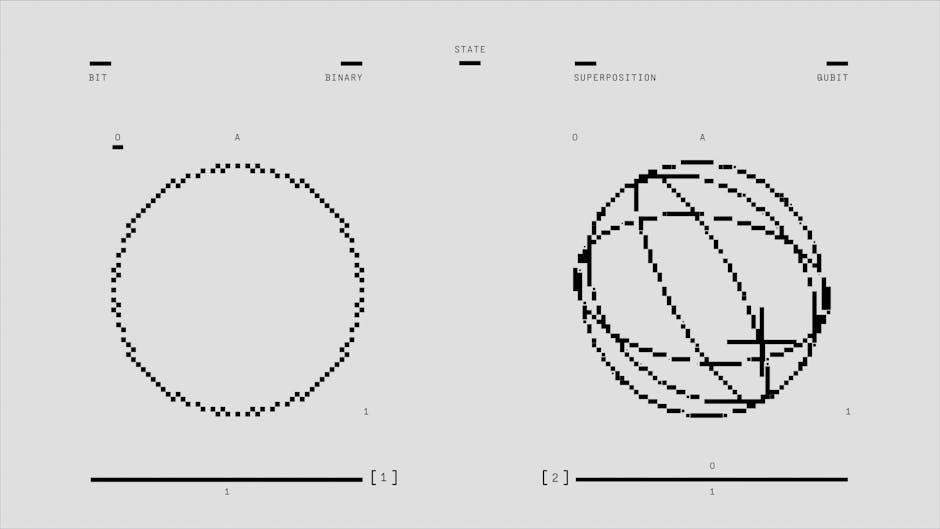
Quantum computers utilize principles of quantum mechanics to perform complex calculations exponentially faster than classical computers. This capability allows researchers to analyze massive datasets, simulate historical scenarios, and uncover patterns previously impossible to detect.
Impacts on Historical Data Analysis
With quantum algorithms, historians can process large-scale textual corpora, enhance text mining techniques, and analyze digital archives more efficiently. These approaches enable new insights into economic, social, and political histories.
Future Prospects
The integration of quantum computing into historical research is still in its early days, but the potential is vast. As quantum technologies become more accessible, they will likely redefine methods of historical investigation and interpretation.
Conclusion
By bridging history and technology, especially through advances like quantum computing, researchers can unlock new dimensions of understanding about the past. The ongoing collaboration between technologists and historians promises an exciting future for historical research.