
A Brief History of Virtual Reality
Virtual reality (VR) has transformed from a niche concept into a mainstream technology that impacts gaming, education, healthcare, and more. Understanding its history provides valuable insight into how VR evolved over decades.
Early Beginnings of Virtual Reality
Research into immersive technologies began in the 1960s with inventions like the Sword of Damocles, a head-mounted display developed by Ivan Sutherland. This period marked the foundation for future advancements in creating simulated environments.
Technological Advancements in the 1980s and 1990s
During the 1980s and 1990s, VR saw significant innovations, with companies experimenting with early VR devices aimed at training and entertainment. Despite high costs and limitations, these efforts paved the way for accessible VR experiences.
The Modern Era of Virtual Reality
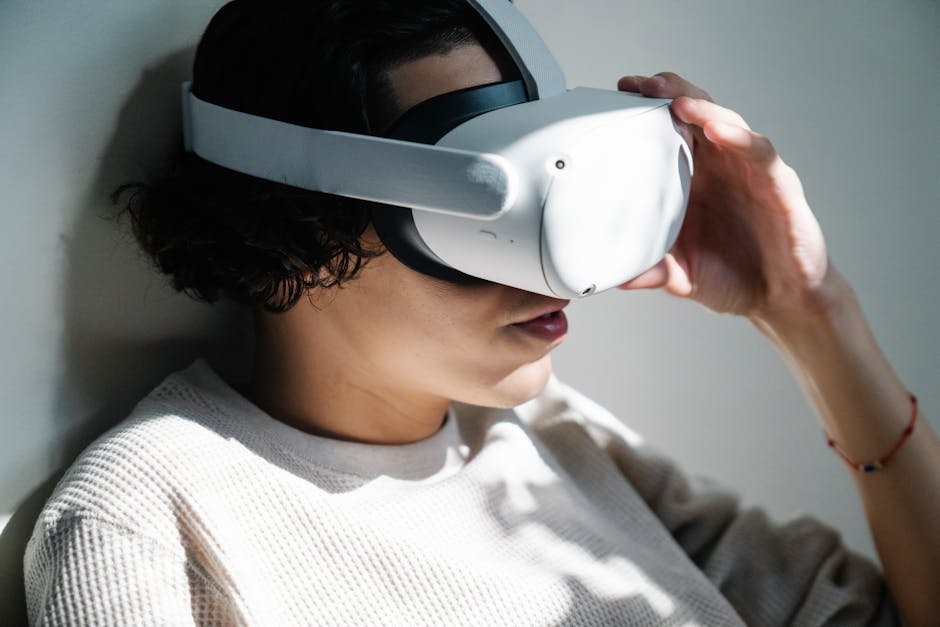
Recent years have witnessed rapid development with the introduction of consumer-grade headsets like Oculus Rift and HTC Vive. These devices, combined with improved graphics and processing power, have made virtual reality more immersive and widely available. To learn more about current VR devices, visit our Modern VR Devices page.
Impact and Future of Virtual Reality
Today, VR is being utilized in sectors such as education, healthcare, and remote work, revolutionizing how we interact with digital content. The future promises even more innovative applications, making VR an integral part of our daily lives.