
How AI is Reshaping Modern Metropolises
Introduction
Artificial intelligence (AI) is rapidly transforming the way modern metropolises function. From enhancing public safety to optimizing traffic flow and managing resources more efficiently, AI is becoming an indispensable tool for urban development.
Smart Infrastructure
One of the key areas where AI is making a difference is in smart infrastructure. Cities are deploying AI-powered systems for monitoring and managing infrastructure, leading to reduced maintenance costs and increased reliability. Sensors and IoT devices collect real-time data to help city officials respond promptly to issues such as water leaks, energy waste, or structural concerns.
Urban Transportation
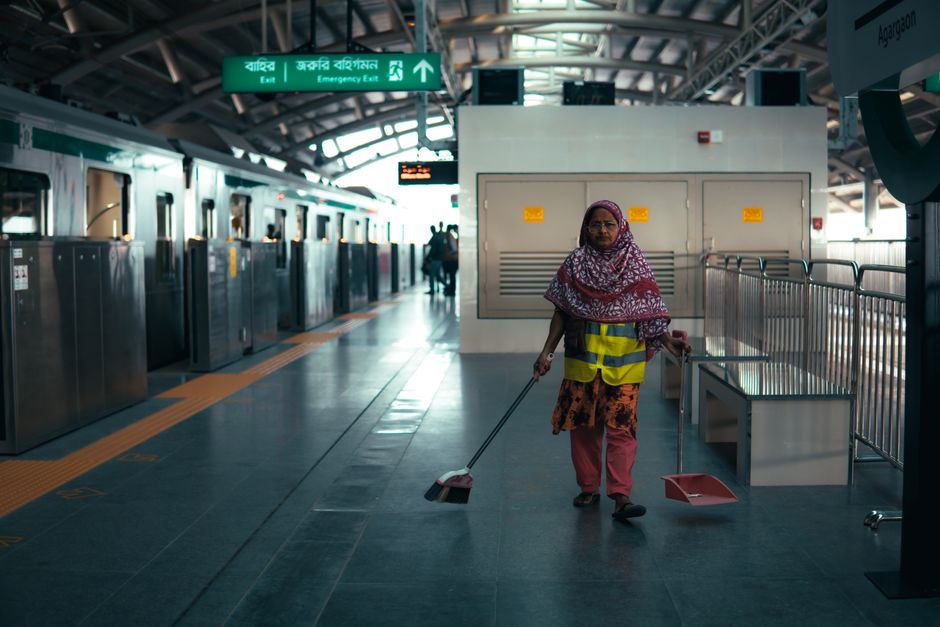
AI-driven public transportation systems are revolutionizing urban mobility by providing real-time traffic updates, optimizing routes, and managing autonomous vehicles. This not only reduces congestion but also improves safety and reduces environmental impact.
Public Safety and Security
Some cities utilize AI for enhanced security and surveillance. Facial recognition, predictive policing, and anomaly detection help authorities respond proactively to potential threats, making urban spaces safer for residents and visitors alike.
Resource Management
Effective resource management is crucial for sustainable cities. AI systems analyze data related to energy consumption, waste management, and water usage to optimize resource distribution and promote ecological sustainability.
Future Perspectives
The integration of AI into city planning and management will continue to evolve, fostering more resilient, efficient, and livable urban environments. As technology advances, the potential for AI to address complex urban challenges grows ever greater.