
How Quantum Effects Reshape Cryptography
The rapid development of quantum physics has profound implications across many fields, especially in the realm of cryptography. As researchers uncover more about quantum effects, the way we think about securing digital information is fundamentally changing.
Traditional cryptographic systems, like RSA and ECC, rely on the difficulty of certain mathematical problems. However, with the advent of quantum computers, many of these encryption methods could become vulnerable. This has led to the development of post-quantum cryptography, which aims to create encryption algorithms resistant to quantum attacks.
Quantum Effects and Their Impact on Cryptography
One of the most significant quantum phenomena affecting cryptography is quantum entanglement. Entanglement enables the creation of highly secure communication channels through quantum key distribution (QKD). Unlike traditional methods, QKD allows for the detection of any eavesdropping, ensuring the integrity of the transmitted data.
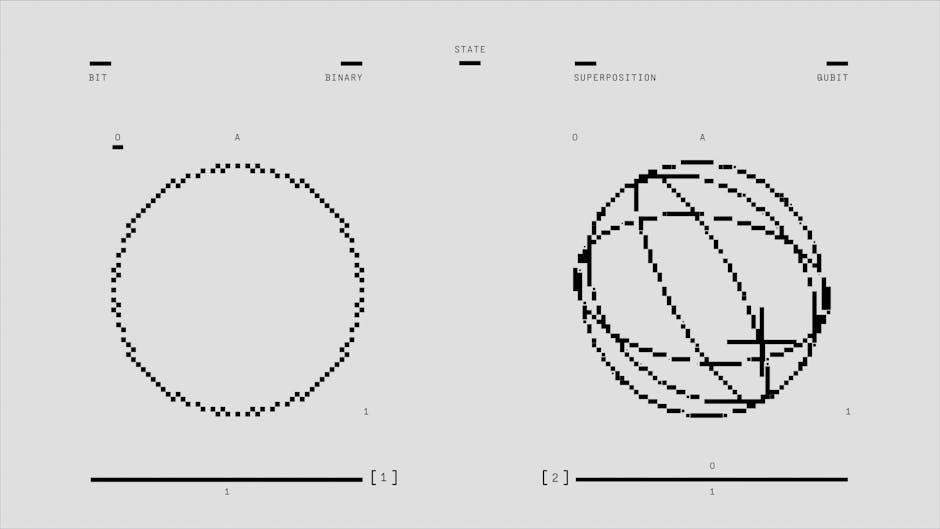
Another important effect is superposition. Quantum superposition enables quantum computers to perform multiple calculations simultaneously, greatly increasing their computational power and threatening classical cryptographic algorithms.
Future of Cryptography in a Quantum World
As quantum effects continue to be better understood, researchers are actively developing quantum-resistant algorithms. These new encryption methods aim to secure data against future quantum attacks, ensuring privacy and security in the era of quantum computing.
In conclusion, quantum effects are reshaping the landscape of cryptography. Staying ahead of these developments is crucial for maintaining secure communications in a rapidly advancing digital world.