
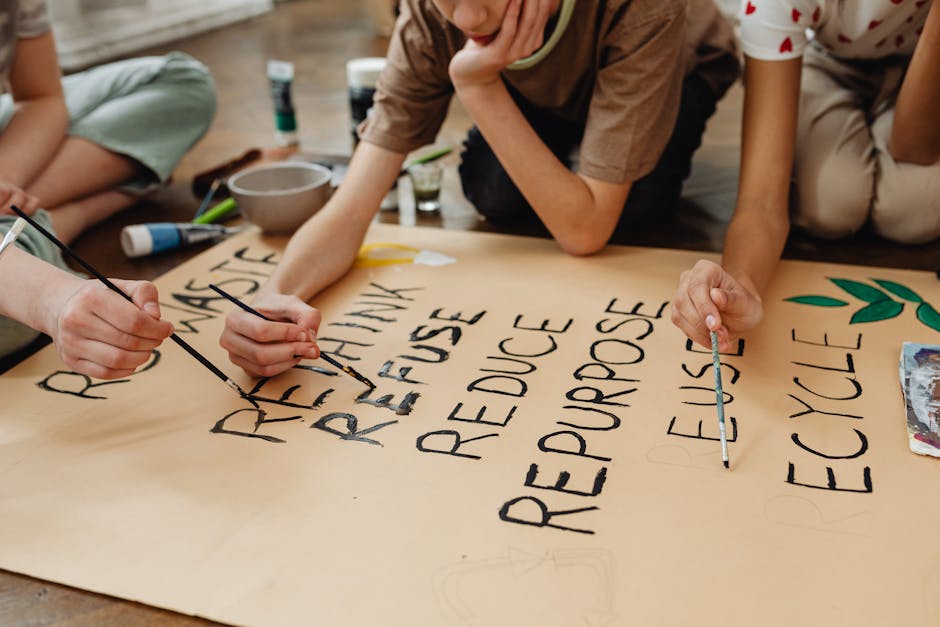
How to Involve Youth in Environmental Projects
Introduction
Involving youth in environmental projects is essential for building a sustainable future. Young people bring fresh ideas, energy, and enthusiasm that can significantly impact the success of these initiatives. In this guide, we will explore various methods to actively engage youth in environmental efforts.
Why Engage Youth in Environmental Projects?
Encouraging youth participation in community engagement on environmental issues not only raises awareness but also empowers them to become future leaders. It's crucial to create opportunities where young individuals can contribute meaningfully towards sustainable initiatives.
Strategies to Involve Youth
1. Education and Awareness
Start with educational programs that highlight environmental issues and their impact. Collaborate with schools and youth organizations to include environmental education programs that inspire interest and responsibility.
2. Create Youth-Centric Events
Organize events such as clean-up drives, tree planting days, and eco-festivals that are tailored for young participants. These activities promote hands-on experiences and foster community spirit.
3. Foster Leadership Opportunities
Encourage youth to take on leadership roles within projects, such as task coordinators or ambassadors. Providing mentorship and training can help develop youth leadership skills essential for future advocacy.
4. Use Digital Platforms
Leverage social media and digital campaigns to reach a broader audience. Creating online groups, sharing success stories, and hosting virtual webinars can motivate more young people to participate.
Case Studies and Success Stories
Many organizations have successfully involved youth in environmental initiatives. For example, initiatives like youth-led recycling programs have shown how young leaders can make a tangible impact in their communities.
Conclusion
Engaging youth in environmental projects is a vital step toward ensuring a sustainable planet. By providing education, opportunities for leadership, and leveraging digital tools, we can inspire the next generation to take active roles in protecting our environment.