
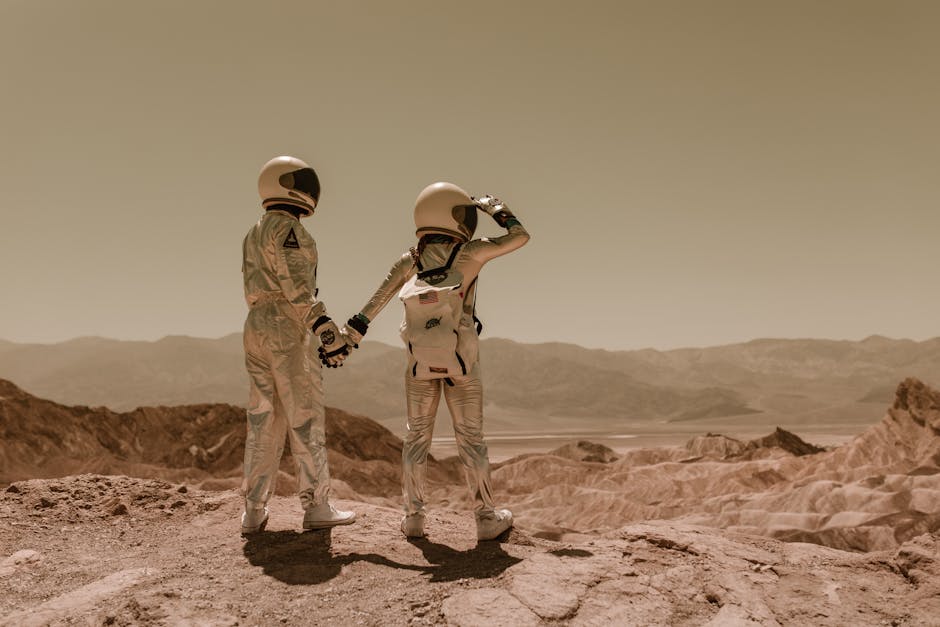
Human Astronauts vs Robots: Exploring the Future of Space Exploration
Space exploration has always captured the human imagination, pushing the boundaries of what we can achieve beyond our planet. Traditionally, human astronauts have been at the forefront of these missions, bringing curiosity, problem-solving skills, and adaptability to the challenges of space. However, with advancements in technology, robots and autonomous machines are increasingly playing a vital role, often performing tasks that would be risky or impossible for humans.
One of the main advantages of human astronauts is their ability to adapt quickly, make complex decisions, and perform delicate tasks in real-time. Their presence also provides a platform for scientific experiments that require human intuition and fine motor skills. On the other hand, robots can operate in harsher environments, work longer hours without fatigue, and are generally less costly to deploy and maintain.
Comparing Capabilities
While humans excel in complex problem-solving and situational awareness, robots are ideal for repetitive or dangerous tasks, such as surface exploration and repairs. Upcoming missions to the Mars surface and beyond will likely see a combination of both, leveraging the strengths of each to achieve mission goals efficiently.
The Future of Space Missions
As technology evolves, the line between humans and robots in space exploration continues to blur. Concepts like collaborative teams are becoming more prominent, where robots assist astronauts or even operate independently in deep space. This hybrid approach aims to maximize safety, cost-effectiveness, and scientific return.
In conclusion, both human astronauts and robots bring unique capabilities to space exploration. Their combined efforts will undoubtedly push the boundaries of our knowledge and ability to explore the cosmos in the decades to come.